How to make a mobile phone case {the sewing}

After making the pattern – here comes the fun part: the sewing.

If you haven’t done the pattern yet, here’s a link to the pattern making tutorial:

 #1 transfer the pattern onto the fabric

Note that you won’t need to add seam allowance any more. You will need two pieces for the outer and the inner fabric and one piece of fusible interfacing.

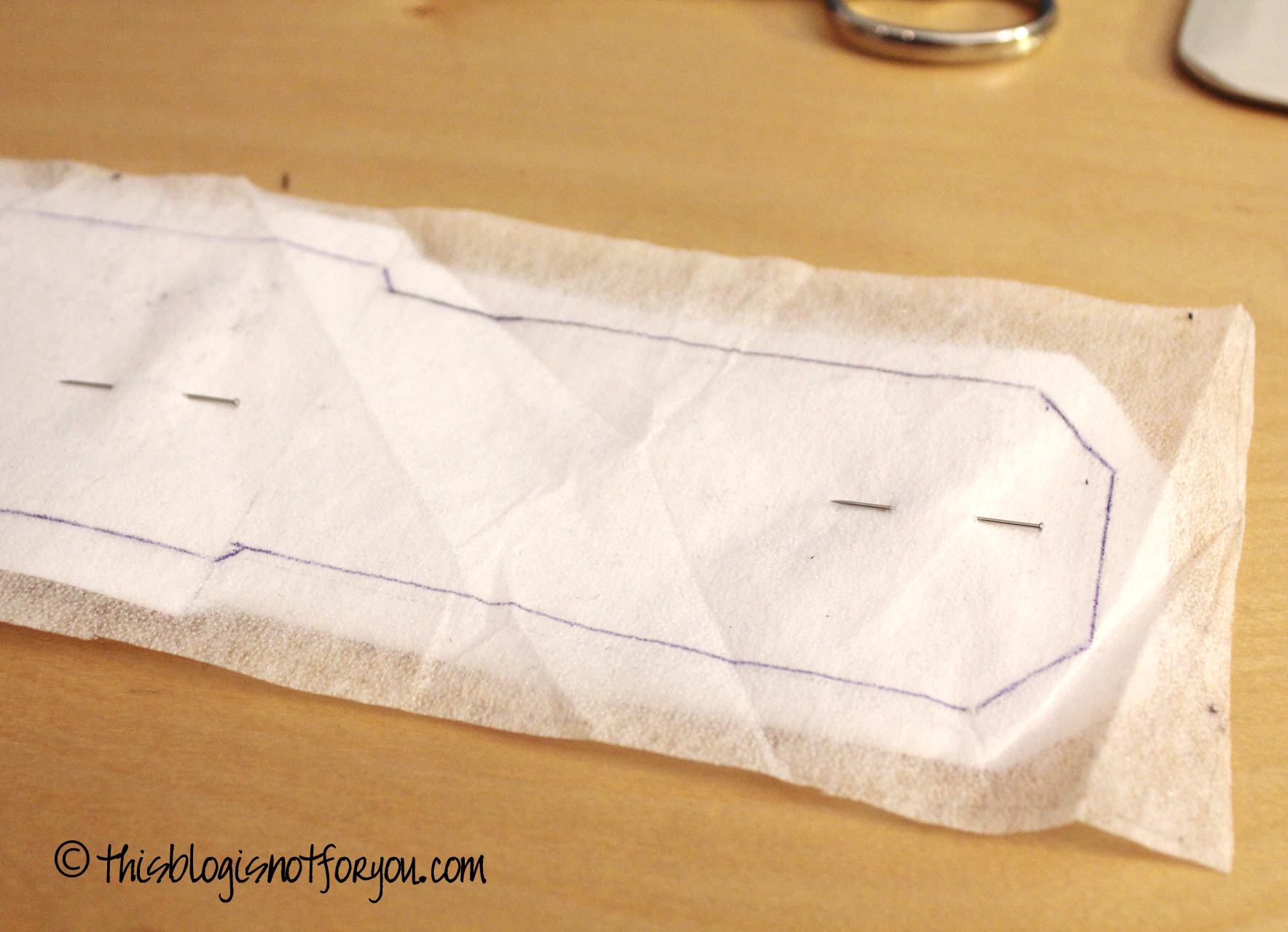
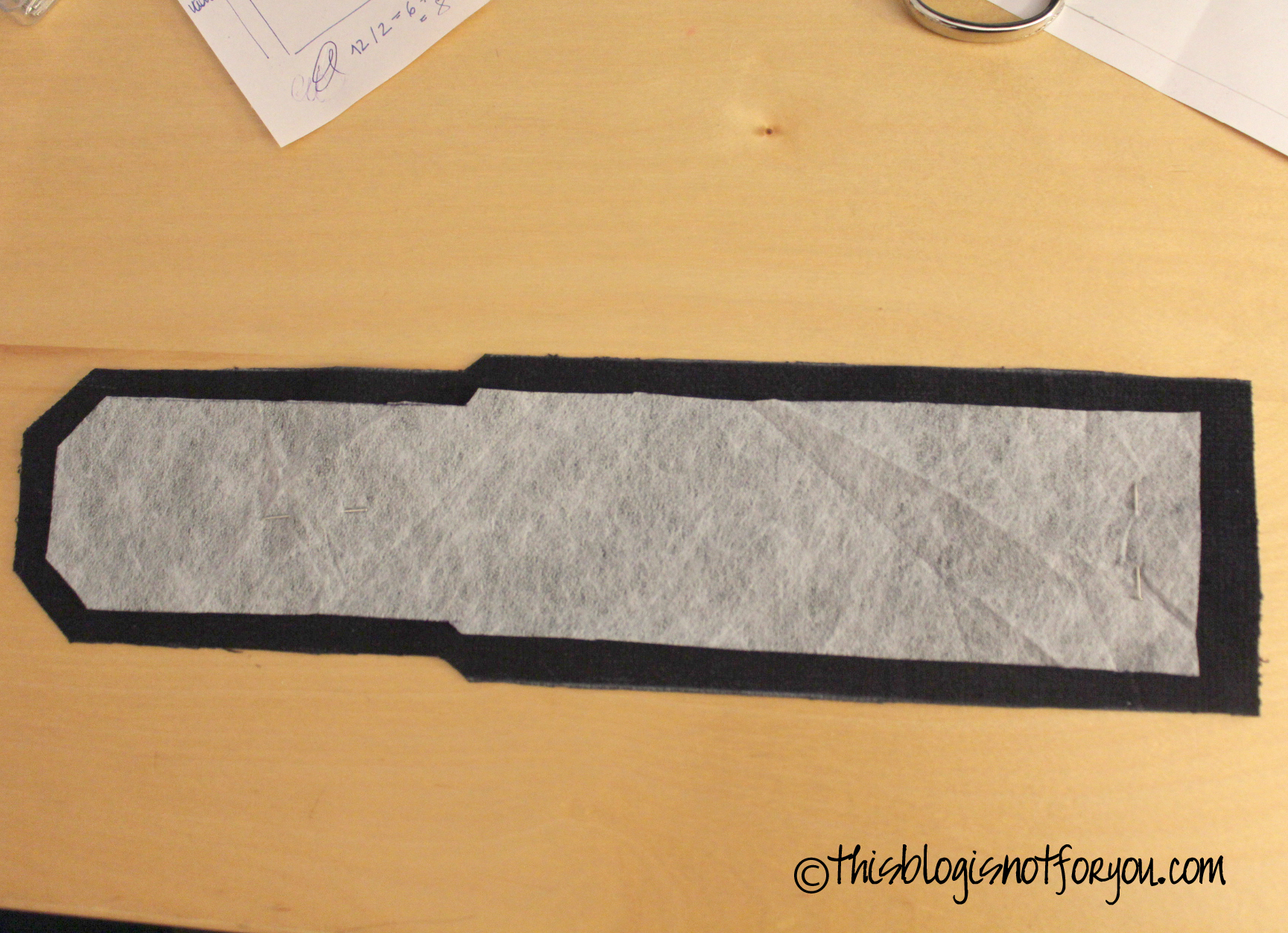
#2 transfer the pattern onto the interfacing

…by placing the pattern under the fusible interfacing and tracing/cutting along the markings of the seam allowance. Iron it onto the backside of the outer fabric. (You can skip this step if you don’t want to use interfacing. It just helps your phone case to keep its form.)
#3 apply the fastening

Before sewing outer and inner fabric together, don’t forget to apply the fastening. Find the right spot for Velcro, buttons, snap buttons by using your phone. Put the cut-outs on top of each other and wrap them around the phone, mark the spot for the fastening on flap (inner fabric) and pocket (outer fabric). Sew the fastening on both inner and outer fabric.

For the phone case with the little owls on it I used velcro tape. For the one in the tutorial I had to find something else, since I made it for someone else’s phone and didn’t have the phone to adjust the fastening.
My workaround: Applying a loop for the flap. This way the fastening is flexible, and the exact height of the phone doesn’t matter.

#3 the sewing-everything-together

Fold and press the seam allowance on the bottom edge and prepare the “pocket” by folding over and pinning it (see pictures below) on both pieces of fabric.

Try making the inner fabric pocket a little shorter than the outer one (see picture above). By putting it into the outer pocket later on it will otherwise stick out by a few millimeters and we don’t want that to happen. For the same reason make the outer fabric’s pocket a tiny bit bigger as well by using less seam allowance (see picture below).

Now sew together the side seams of the pockets separately.

Place both pieces on top of each other, right sides together. Before pinning, make sure the edge of the outer pocket protrudes by a few millimeters.

Sew together the two flaps.

#4 boxing the corners

To give your phone case a bit more depth, you can box the corners.
Flatten a corner so the side seam is in line with the bottom seam; the point where they meet is at the point of your fold. Determine the amount of depth you want which should be the same as the depth of your phone. In this case it was 1cm.
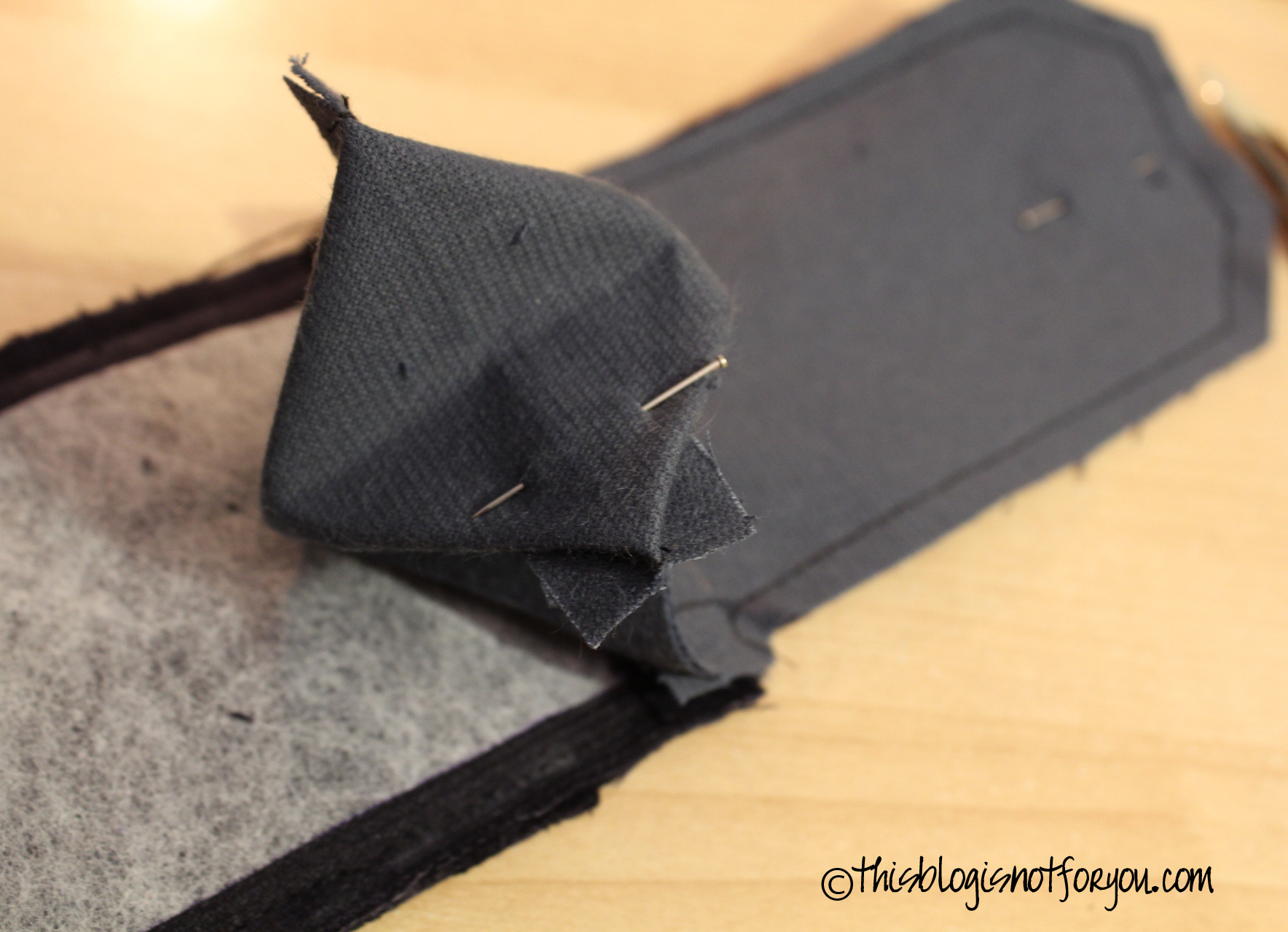
Mark and sew across the corner, perpendicular to the seams, as shown in the picture below. Normally you would fold this tuck down against the bottom seam, and hand-stitch it to the seam allowance, but in this case the pocket are quite small, so you can just cut it off.

Do this with both pockets.

Turn the outer pocket and flap inside out again and tuck the inner pocket into the outer pocket. It should look like this:

Sew the inner pocket onto the outer pocket, use hand-stitching if your phone case is quite small.

If you want, you can also stitch around the seams of the flap to give it a better shape. I didn’t do it in this case since the fabric was quite thick, but with the other one I did (see the first picture where I used the owl fabric).

And then you’re done! If you have any questions or my instructions don’t seem clear at some points, please leave me a comment and I will answer as soon as possible!

Have loads of fun sewing!

facebook/bloglovin/pinterest
Stay in touch!

 

How to make a mobile phone case {the custom pattern}


Maybe you still need an idea for a last minute Christmas gift? Or you have a mobile phone yourself that just doesn’t seem to fit in any case? Or maybe you simply want to customise a phone case for fun.

Well anyway, this is part 1 of How to Make a Mobile Phone Case where I show how to make a custom-made pattern. And it’s fairly quick and easy. Pattern-making and sewing together takes about an hour. But if you’re figuring it out for the first time it might take a little longer.

I had the idea of doing this after looking for an iphone case pattern. I found a German youtube video on how to make an iphone case and figured you can basically make this with mobile phones of any size. The phone case with the owl fabric was made for an iphone, the one in this tutorial is for an old nokia phone.

#1 take measure of your phone

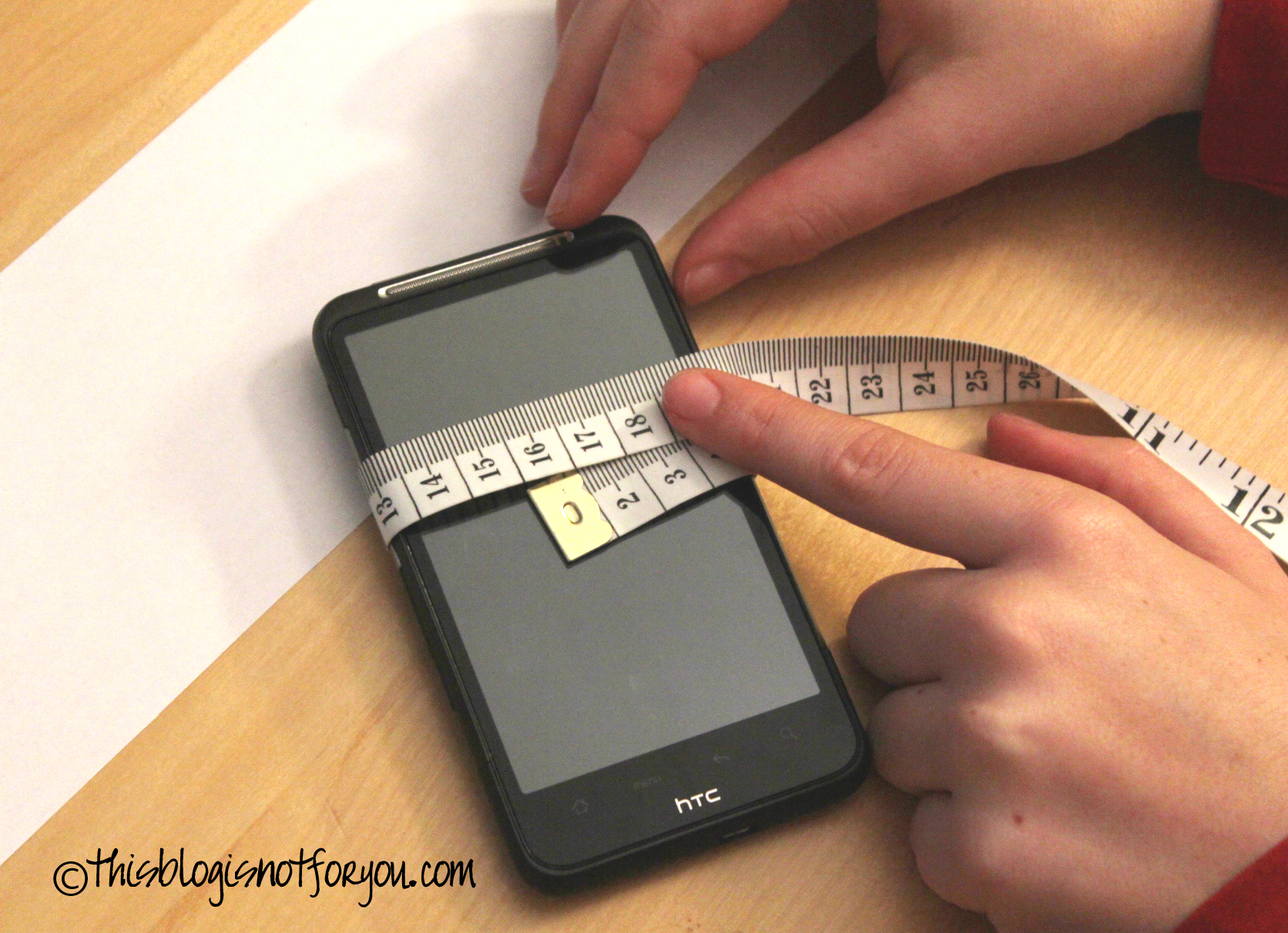
Measure width, length, height and diameter.

#2 Prepare a sheet of paper for your pattern

Now you need a long, narrow sheet of paper. You can glue together two sheets of paper and then cut off a strip that’s as wide as half your phone’s diameter + seam allowance.

The phone I made the case for was 12cm in diameter. Seam allowance on both sides was 1cm. So I made the strip 8cm wide.

In this tutorial I made the phone case out of curdoroy. Therefore I made the strip 8,5cm since the fabric is quite thick and I was afraid that the phone might not fit it. Now it fits perfectly.

In case you’re not sure if the phone case fits, make the pattern wider rather than narrower. Otherwise you won’t be able to make adjustments if it’s too small!

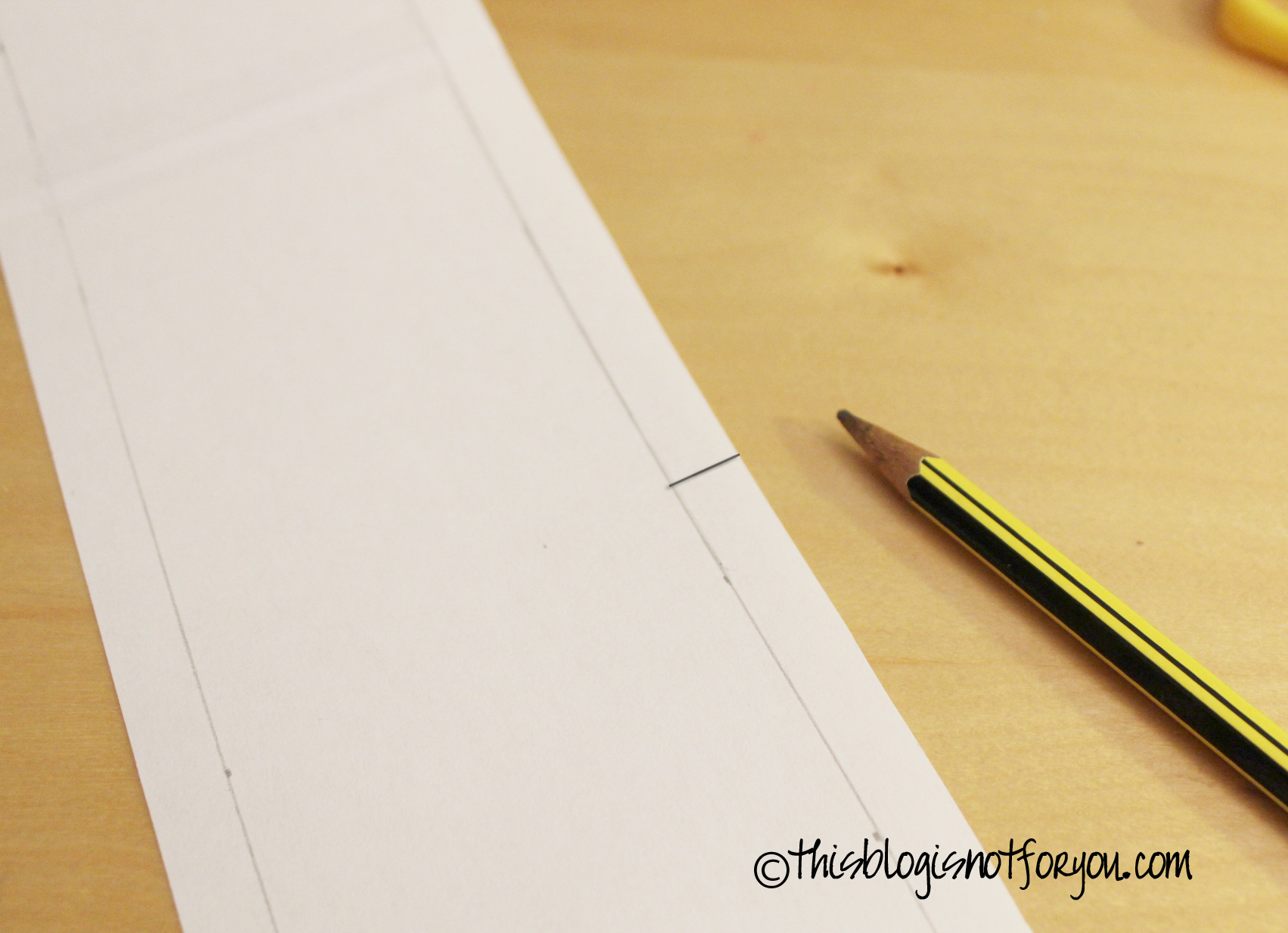
Here you see the marked seam allowance. Use 1,5cm for the bottom edge and fold it over.

Now fold the bottom edge over your phone to find the correct height for the pocket. Take into account that the phone should protrude a little so you’re able to pull it out quickly without having to fumble for minutes.

Mark the height, measure the length from mark to bottom edge and mark on the other side as well.

Then connect the markings of the outer edge using a ruler.

Now do the same with finding the lentgh of the flap.

Mark and don’t forget the seam allowance (1cm) before you cut the rest of the paper off.

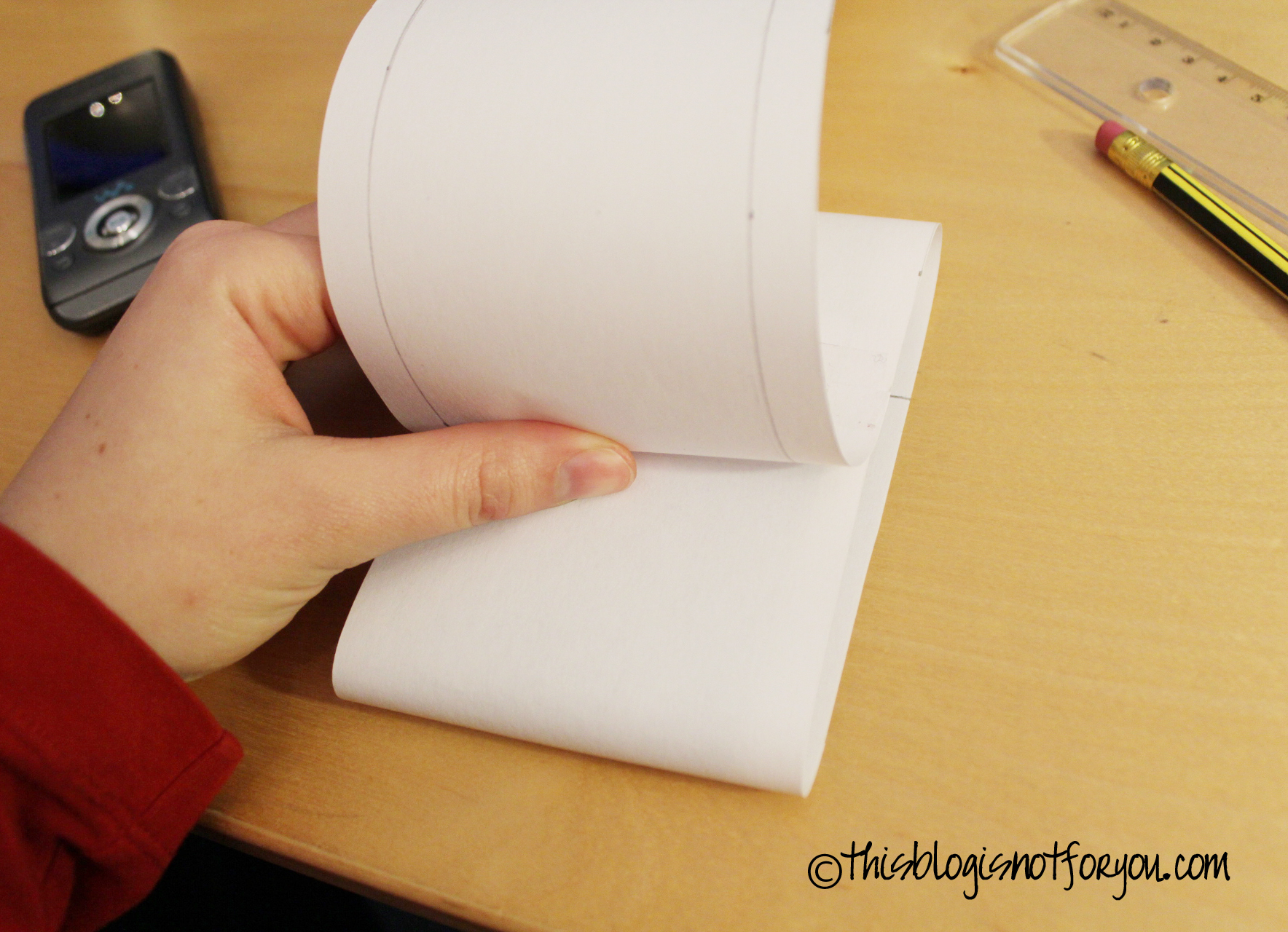
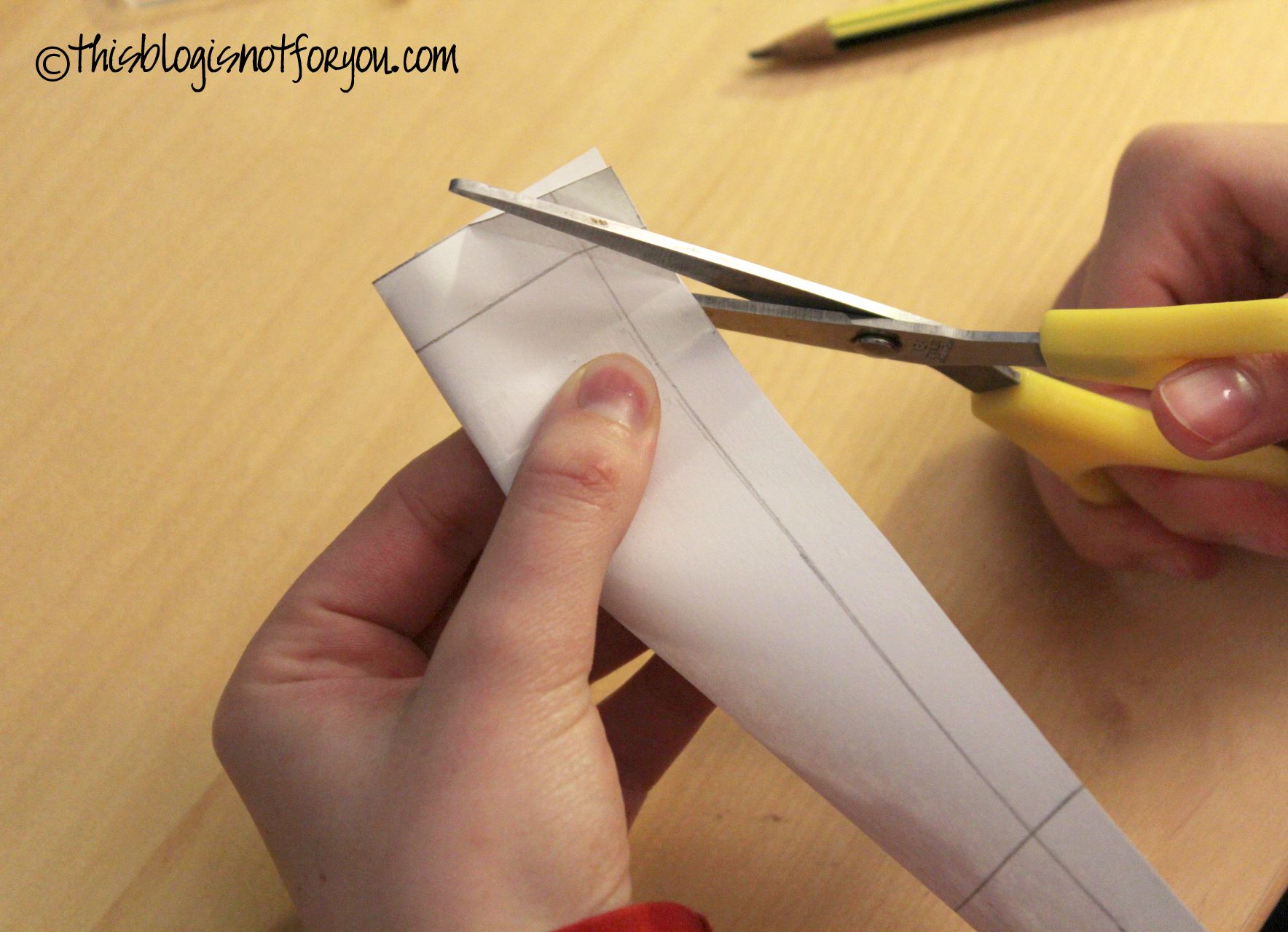
For shaping the flap you can simply cut off the corners or round them. To do that mark the edge by folding the corner, unfold, fold both sides together (see picture below) and cut off.

Now the edges of the flap are nicely uniform.

Ok, almost done.

The part for the flap needs to be a little narrower than the rest of the pattern. The part of the pocket will become narrower when you put your phone in (since we already included the width we don’t need for the flap) and you don’t want the flap to be wider than the rest.

You can do that anyway, it makes the pattern a lot easier, but it may look a little awkward. Just saying.

For narrowing the flap pattern mark and cut off about the half of you seam allowance (0.5-0.7cm) as you can see in the picture above and below.

Adjust the new seam allowance for the flap part of the pocket (make it 1cm again).

Your pattern should now look like this.

If it doesn’t: Don’t panic, just look at the pictures at of every step again. You probably just skipped a step somewhere by accident.

If it does: Well done! You can go on to part 2 of  How to Make a Mobile Phone Case. You will find a link at the end of this post.

Follow the link to Part 2 here:


How to make your own Petticoat

Petticoat tutorial by Thisblogisnotforyou.com

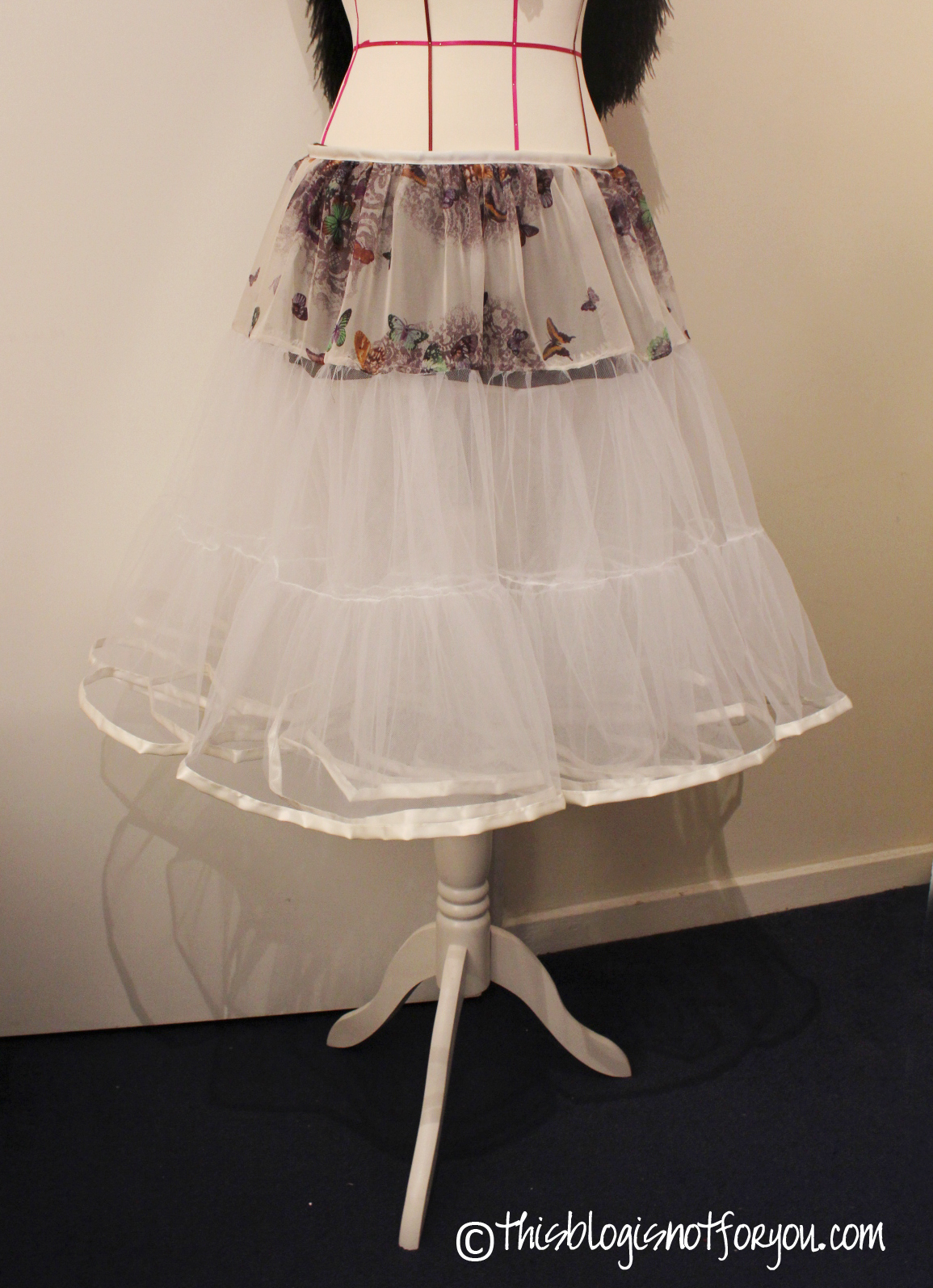
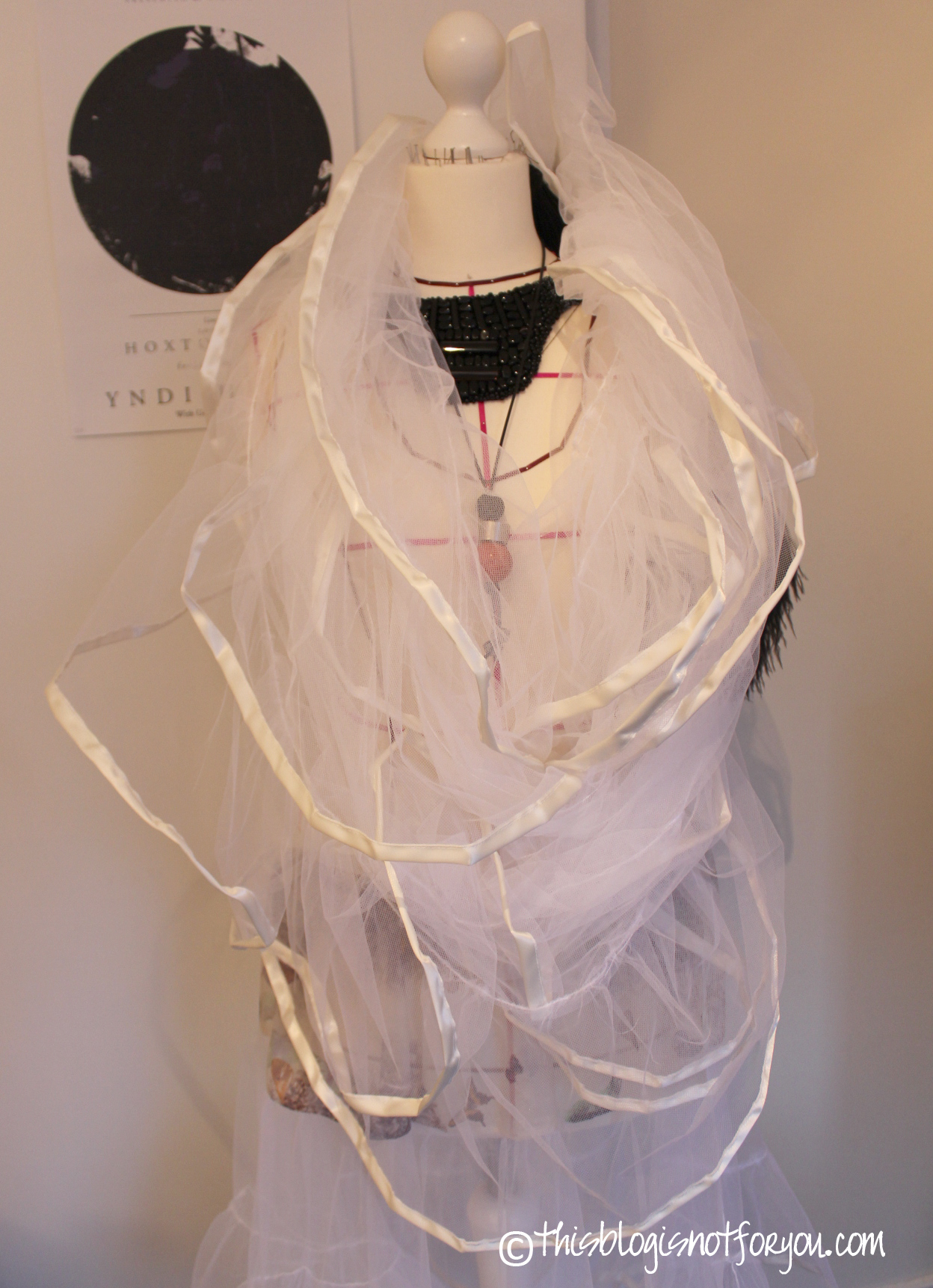
Finals are over! Hard to believe –  I finally have my life back. Well, for a few days/weeks at least. Anyway, one of the first things I did after finishing all the handmade Christmas gifts was gathering loads and loads of tulle again and sewing together the second Petticoat. This time I didn’t forget to take pictures and could make a detailed tutorial.Petticoat tutorial by Thisblogisnotforyou.com

Here we go:

THE MATHS (not as bad as it sounds)

First of all, you have to decide about the length and number of layers of your Petticoat.
For the length it’s best you measure the skirt/dress you want to wear your Petticoat with from waist to hemline. The Petticoat should be about 1 inch shorter than the dress.

Depending on how many layers you want your Petticoat to have, you need to buy about 4yrd of tulle.(I used 3,5m and got 3 layers á 56cm out of it). You can use other fabric, but tulle is quite stiff and helps your Petticoat to become more puffy. Tulle is also quite itchy, if you want to make a Petticoat for a dress you don’t want to wear tights with, you might consider sewing a little underskirt or make the first layer out of a softer fabric.
I just replaced the tulle of the first tier of all layers for a chiffon fabric. It’s more comfy, makes the Petticoat look really nice and does not look too bulky under the dress.

As soon as you have decided about the length and layers, you have to do a little math to know how much tulle you’ll need.
The Petticoat I made consists out of 3 tiers and a waistband. So if the skirt of your dress is 25 inch, you want your Petticoat to be about 24 inch long, so 3 tiers á 8 inch.

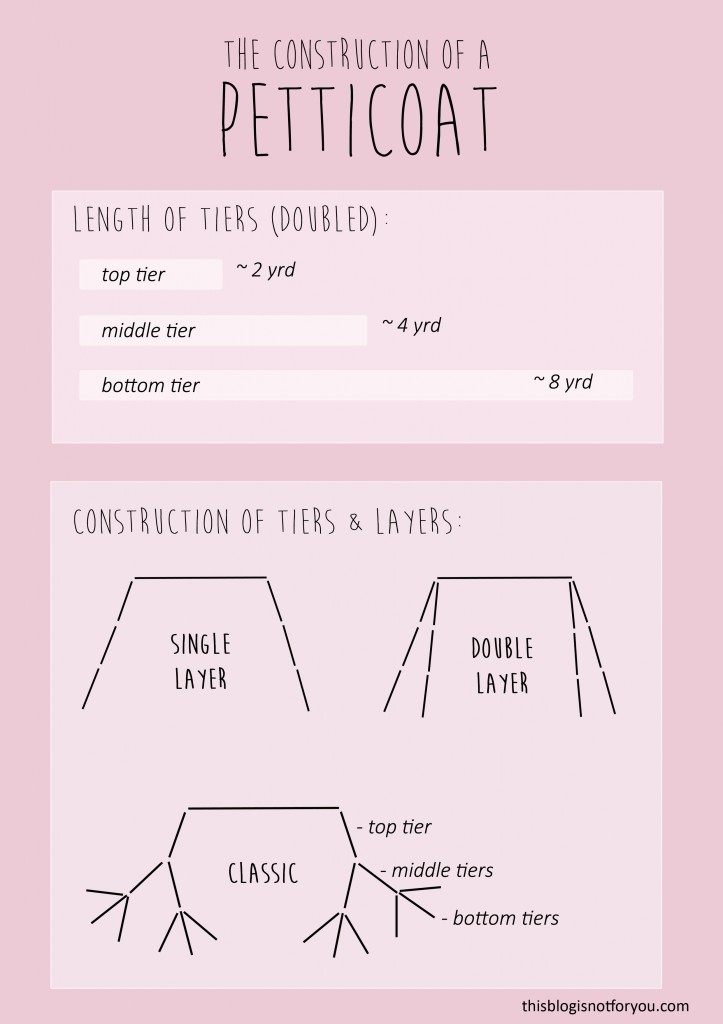
When you figured out how wide the single tiers are, you also want to know how long. As you can see on the scheme below, the length of the tiers doubles from tier to tier.
The top tier is about twice your waist circumference/ lentgh of waistband (about 2 yrd will do). So if you want your Petticoat to have 3 tiers, the bottom one will be about 8 yrd long. (Yeah that’s a lot of cutting and gathering, I know!)

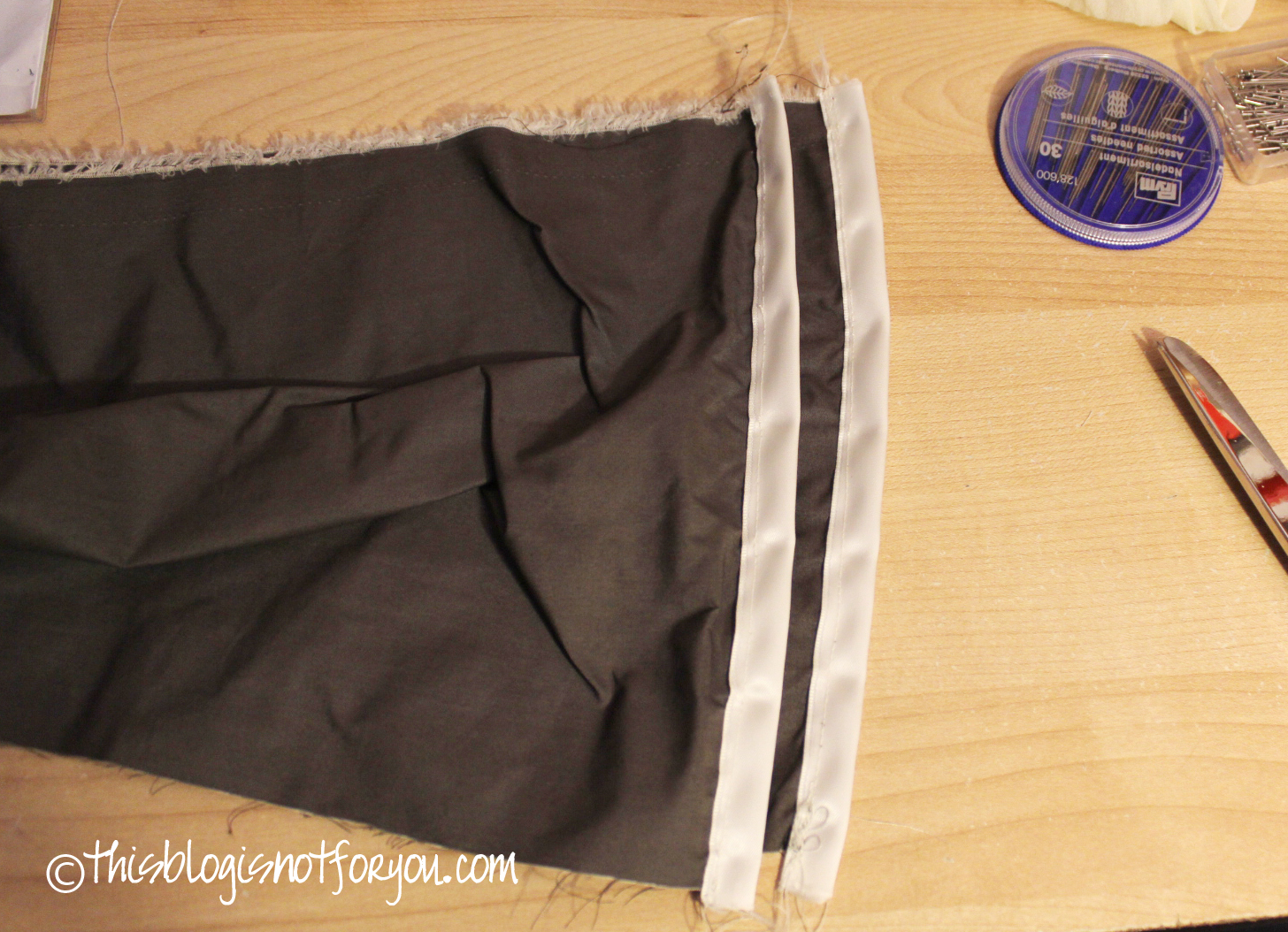
Also, consider the seam allowance before cutting the tulle. For tulle you generally won’t need much seam allowance – a simple zigzag stitch on the fabric edge will do. With other fabric it might be about 0,5 inch/ 1-1,5 cm.  The bottom tier only needs seam allowance on one side if you’re hemming it with ribbon.

For the waistband I just used the ribbon I used for the hem.

So here’s a little scheme, which should also help with the general construction if you want to have more than one layer. My two layered Petticoat (picture at the end of this tutorial) differs a little from the two-layered Petticoat scheme (more on that later).Petticoat construction by Thisblogisnotforyou.com (Click through for full tutorial)Petticoat tutorial by Thisblogisnotforyou.com

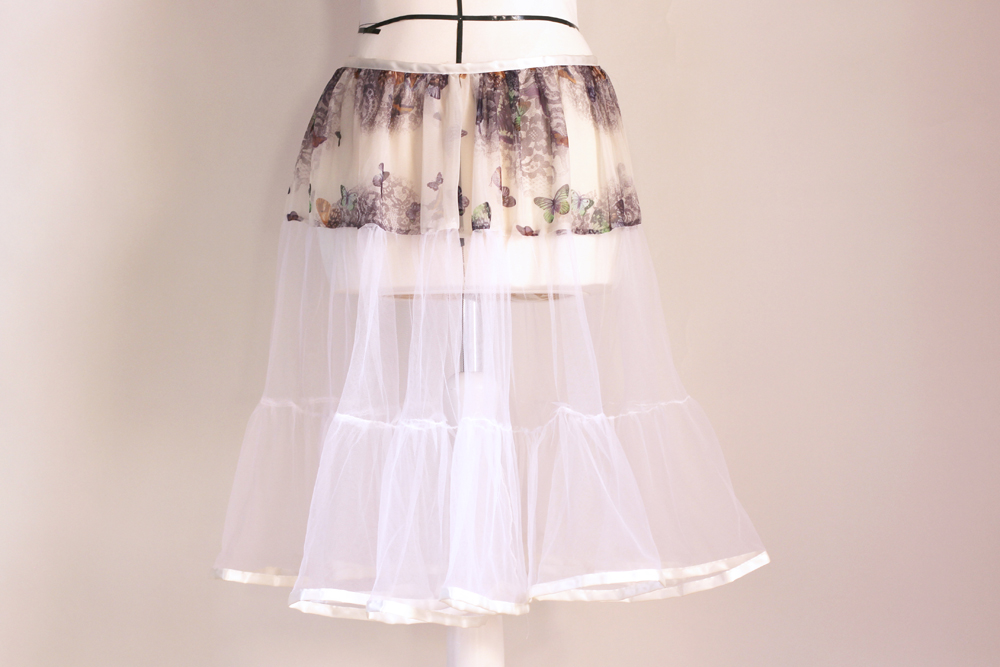
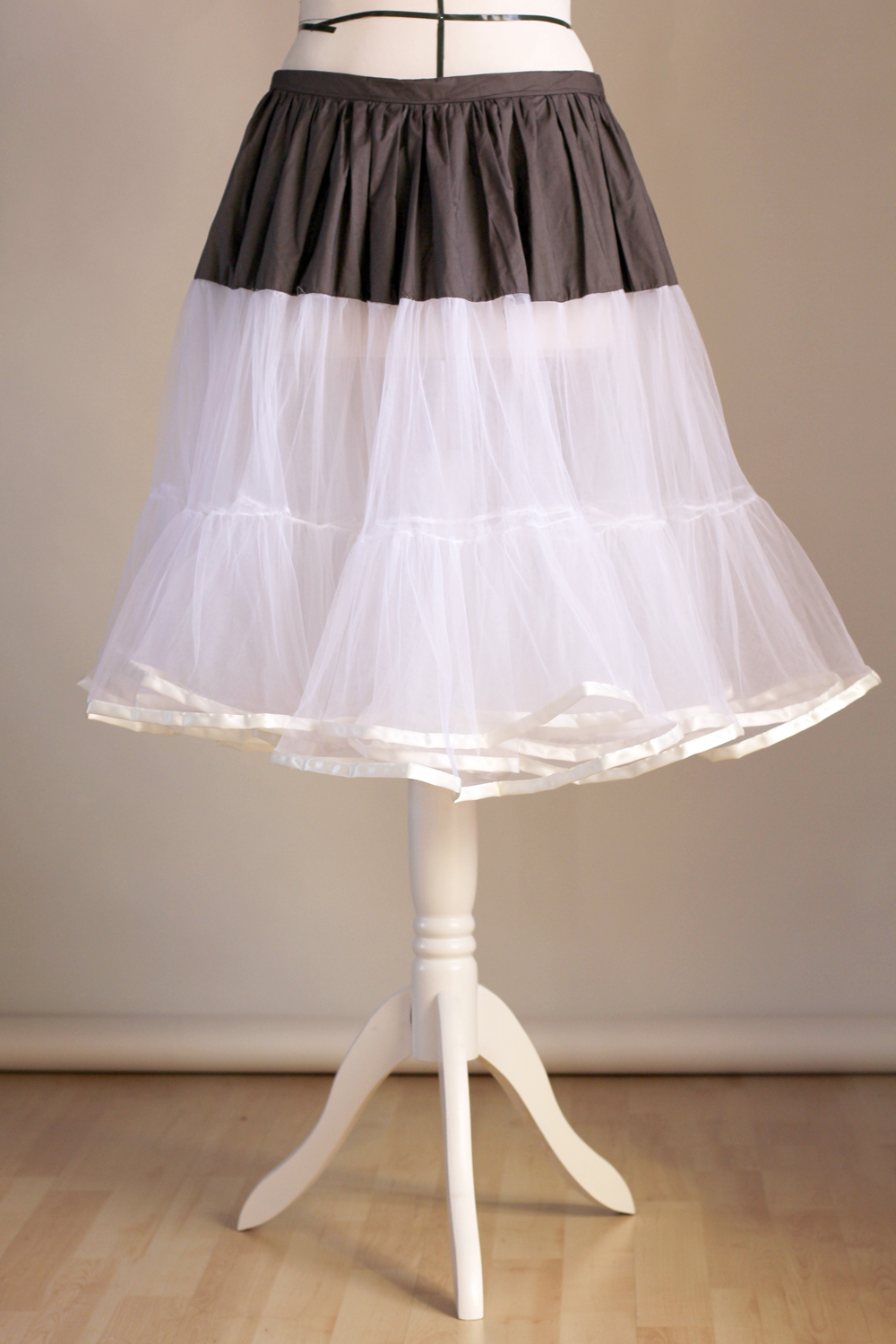
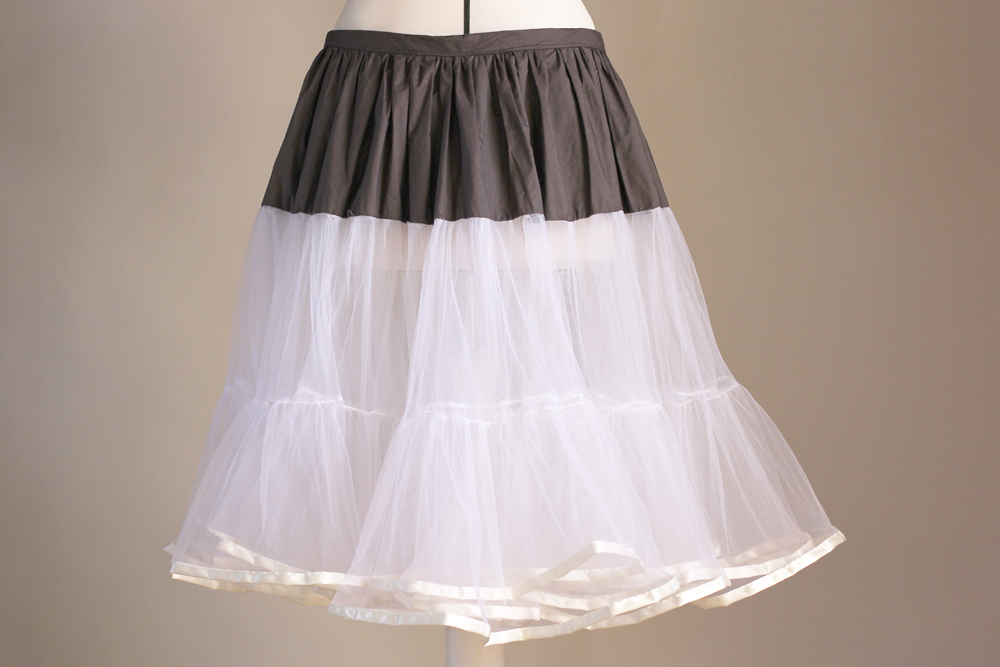
This is what my single layer Petticoat looks like. I wanted one that’s not too puffy. Whenever I want to add more volume, I wear the  double-layered Petticoat under this one. The more layers, the puffier – makes sense, eh?

SEWING THE THING TOGETHER 

First of all, for sewing a Petticoat one starts from bottom to top. That is sewing together the pieces for the single tiers, hemming and gathering the bottom tier.
To sew together the ends of the top tier. You’ll need to add ribbon later on for the fastening.

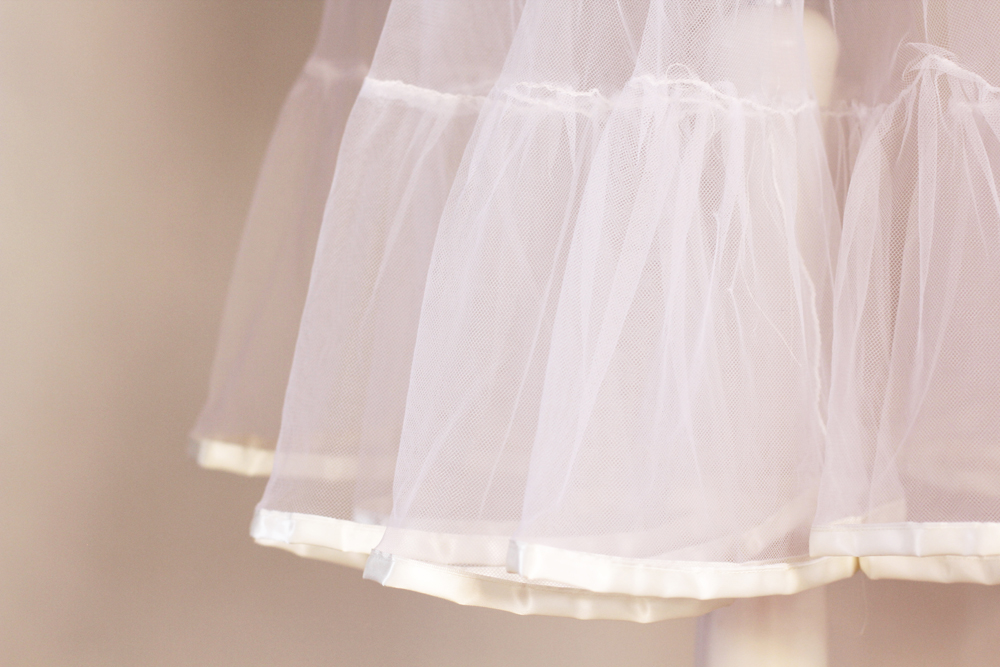
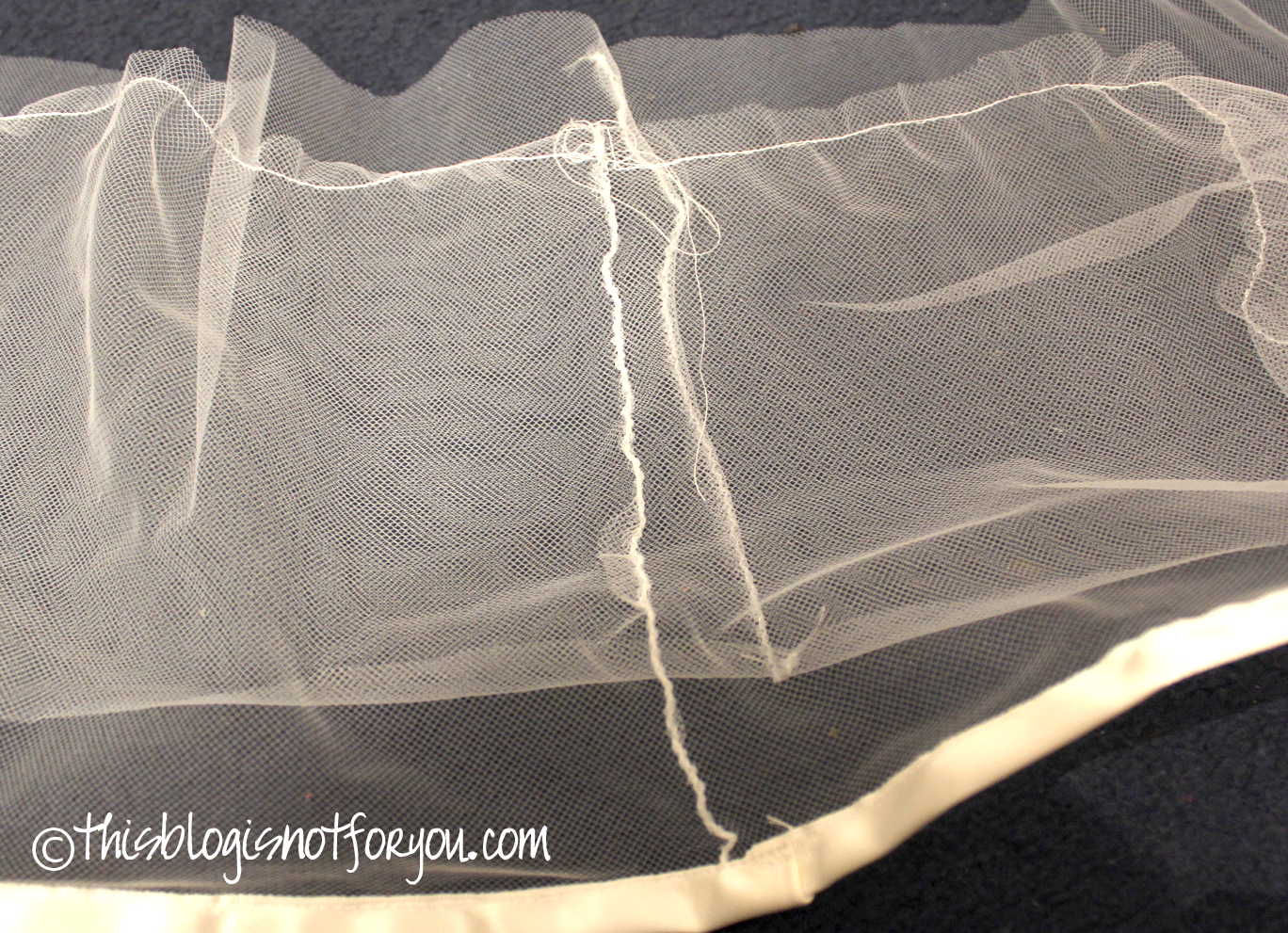
After planning and cutting, start pinning the ribbon to the bottom tier. I used 1inch-wide creme-coloured satin ribbon. It’s fairly inexpensive and looks nice.

After pinning, stitch it down.

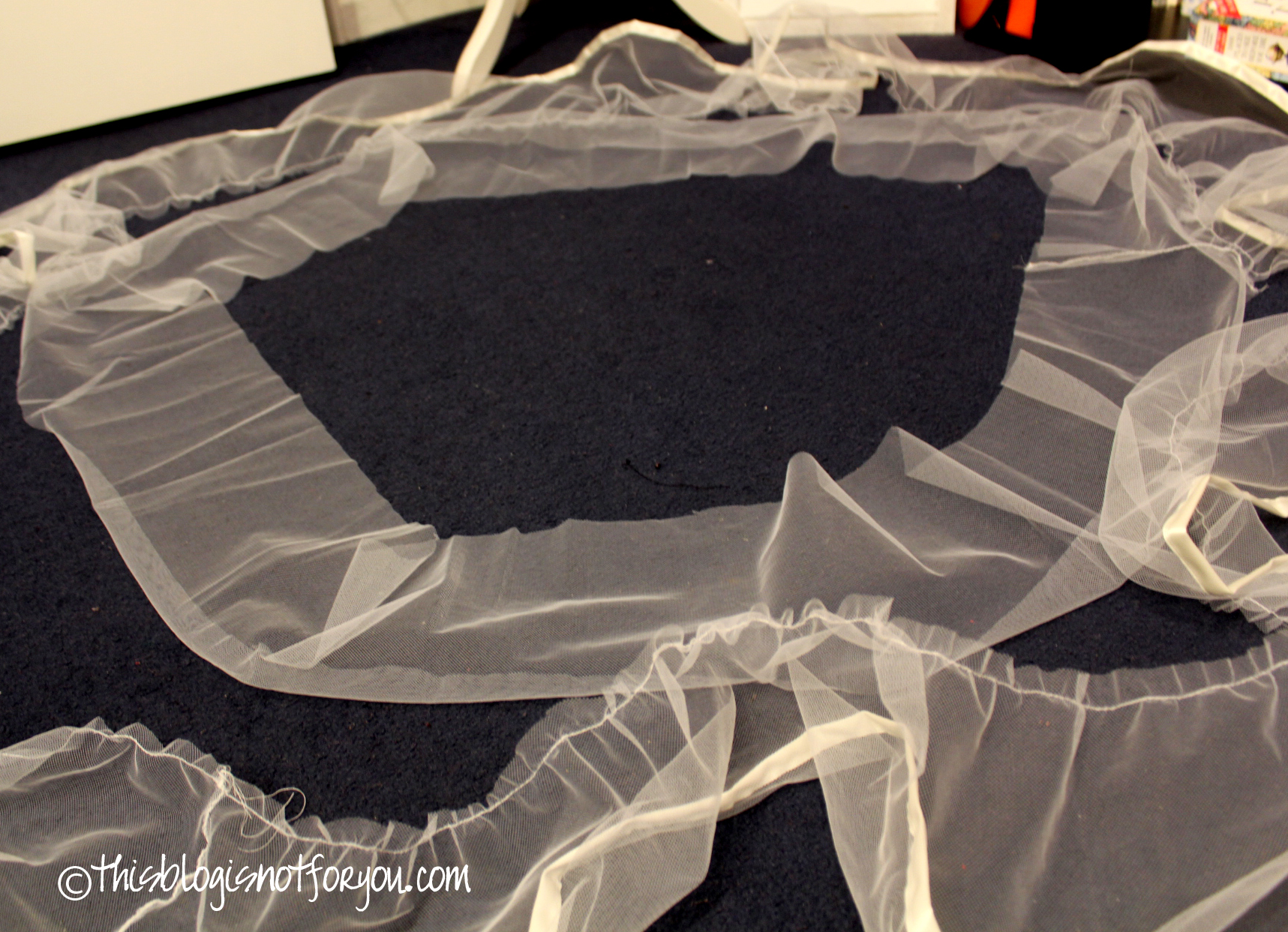
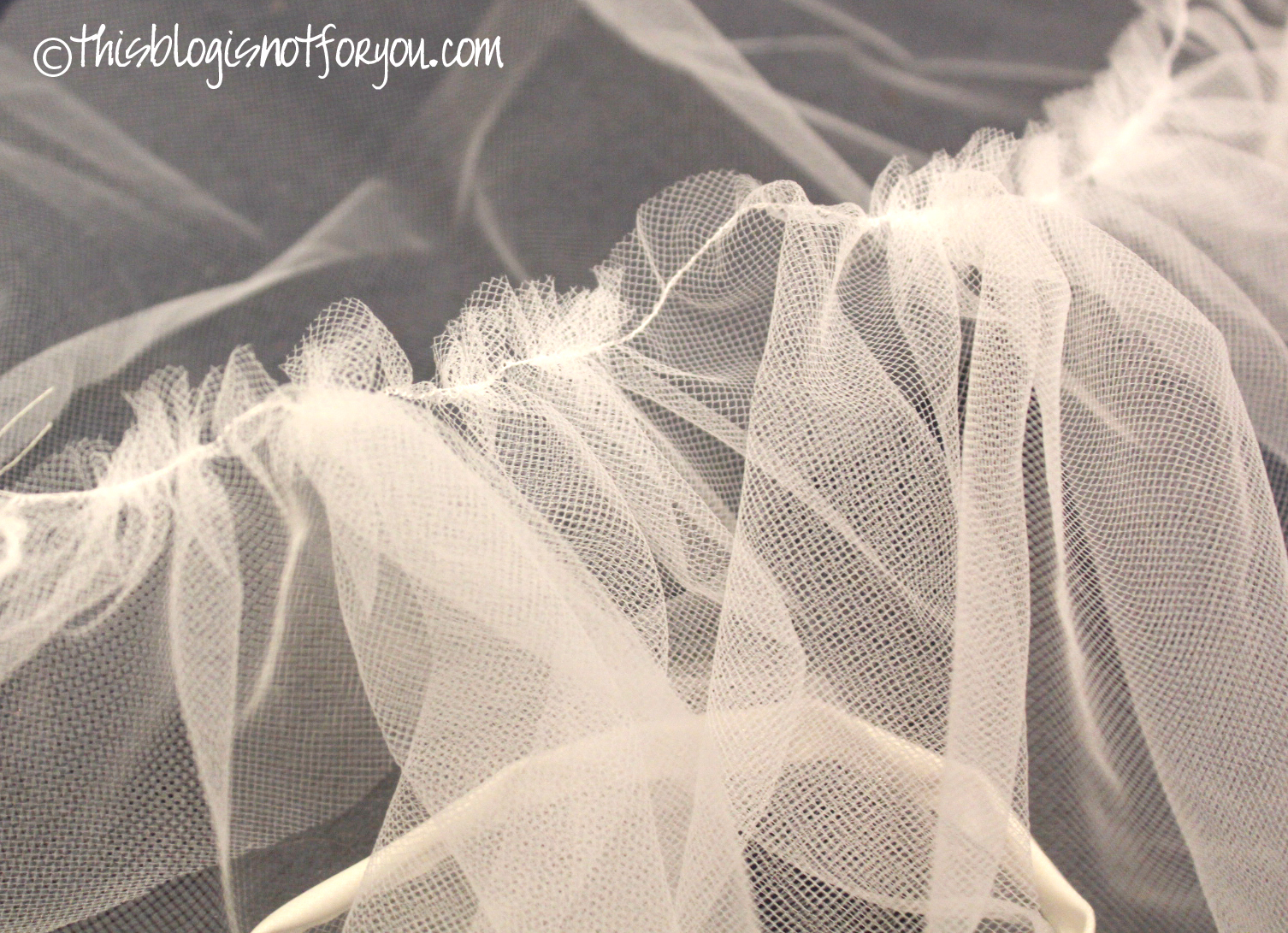
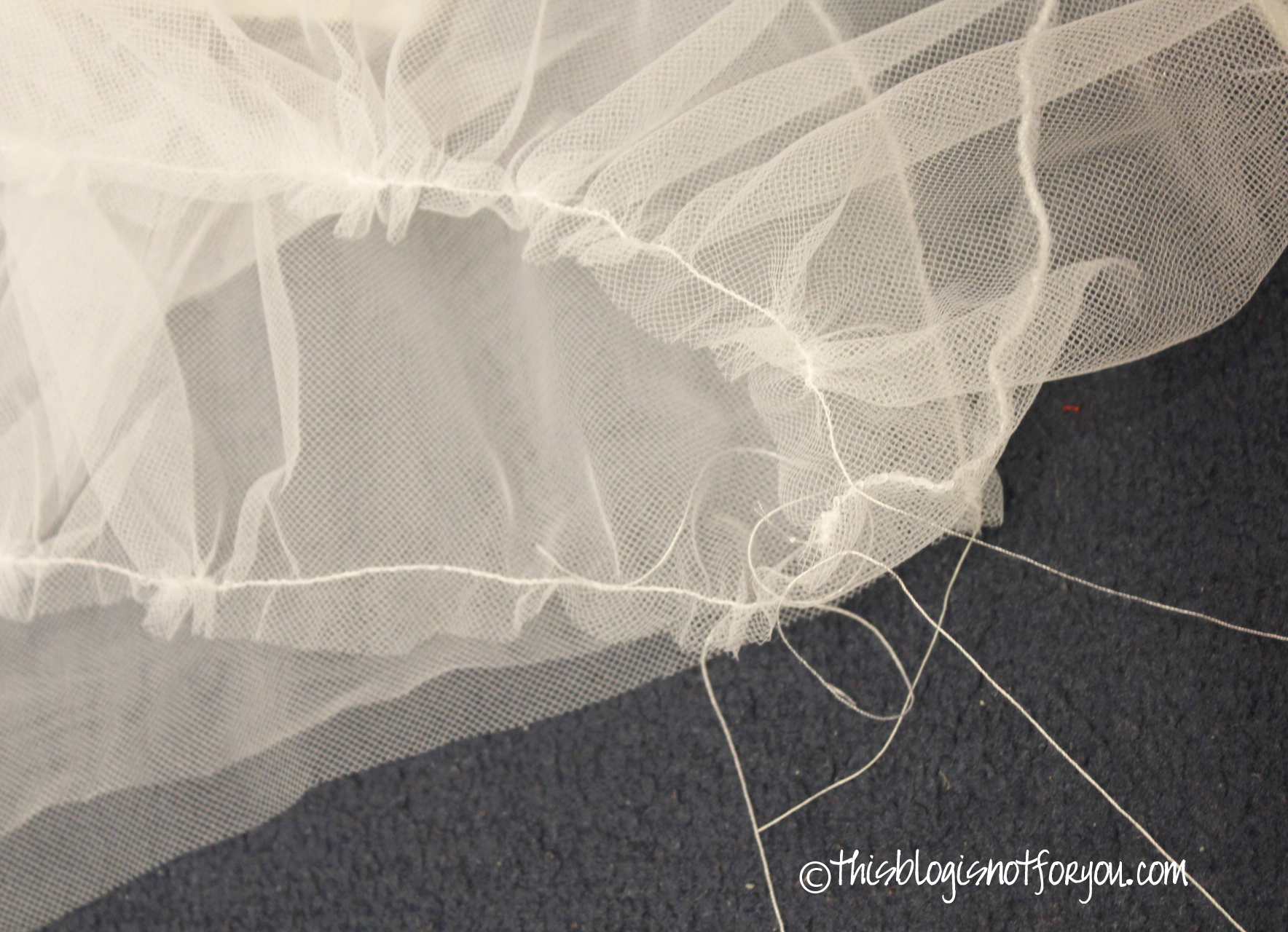
For the gathering, sew along the side of the bottom tier with straight stitches. Use large stitches and a tight tension, it makes it easier to pull the top thread to gather the fabric.

Lay the bottom tier around the middle tier. Makes it easier to gather the bottom tier to the lentgh of the circumference of the middle tier.

Makes sure you have the tulle right side to right side before pinning.

With pulling the upper thread start gathering the bottom tier until it has the same circumference as the middle tier.

If you don’t have enough room for spreading the fabric out in a circle, you can also fold both tiers in half and thus gather the bottom tier to the right length.

Pin everything into place and sew the tiers together. Before doing the same thing with the middle and the top tier, you need to hem the ends of the top tier.

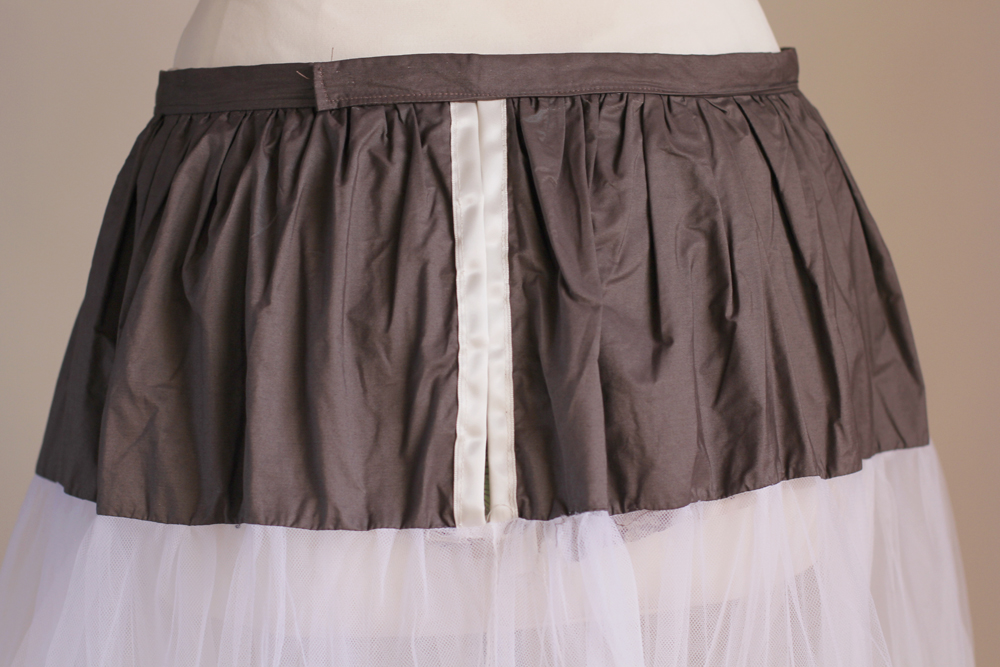
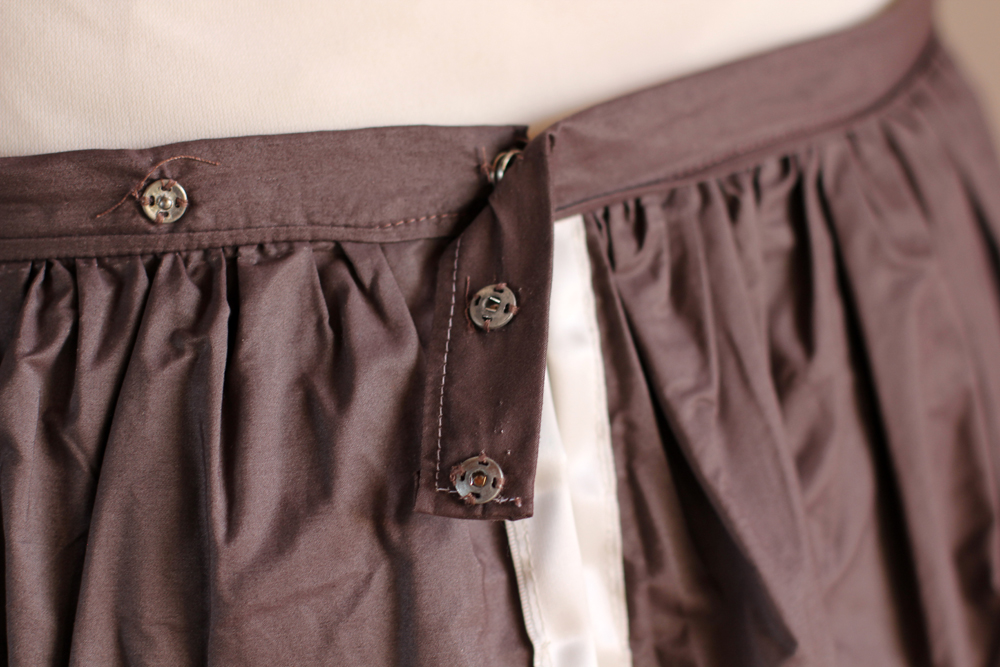
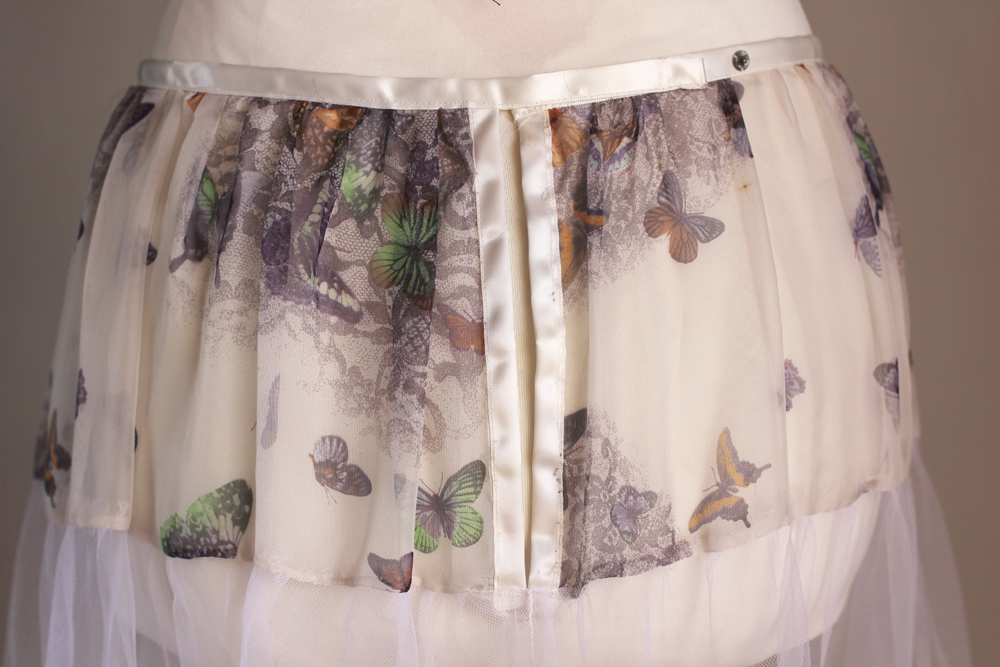
As mentioned, for the waistband I used the same ribbon I used for the hem. For the fastening I used a simple hook closure. I made this with three hooks, so I can adjust the Petticoat to the length of the dress I am wearing lowering it down when I widen the waistband.

Petticoat tutorial by Thisblogisnotforyou.comPetticoat tutorial by Thisblogisnotforyou.comPetticoat tutorial by Thisblogisnotforyou.com

This last pic is of the single layer Petticoat. Last week I finished the second one. Two layers – even more tulle. Sooo much fun, haha.

Petticoat tutorial by Thisblogisnotforyou.com

For the second, double-layered Petticoat I came up with this scheme, since I didn’t have enough tulle left:

For max volume I can wear the first Petticoat on top of the other one. This way I don’t have just a single three layered one, which isn’t really suitable for daily use 🙂 This is how the two together look like:Petticoat tutorial by Thisblogisnotforyou.comPetticoat tutorial by Thisblogisnotforyou.com
Petticoat tutorial by Thisblogisnotforyou.com

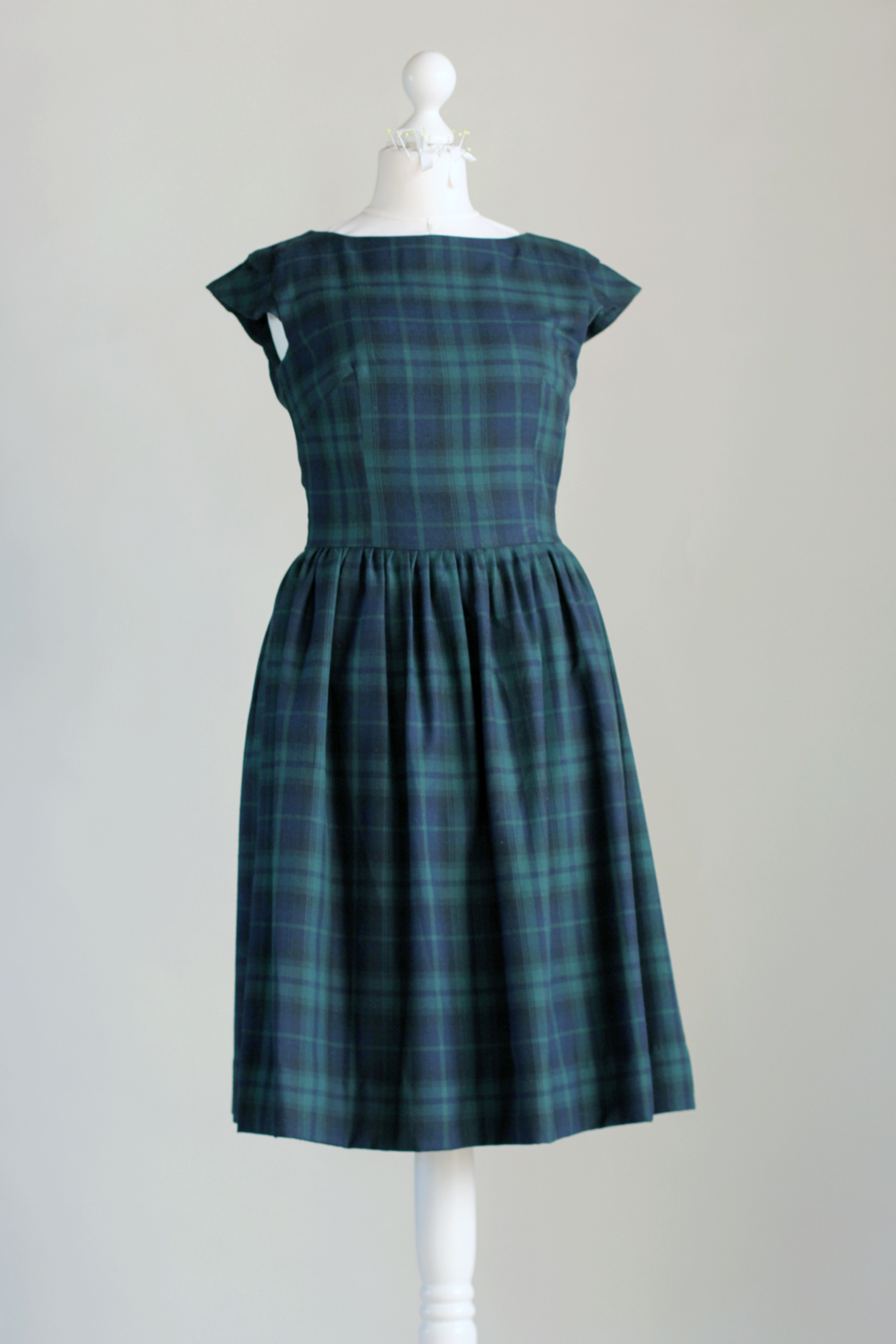
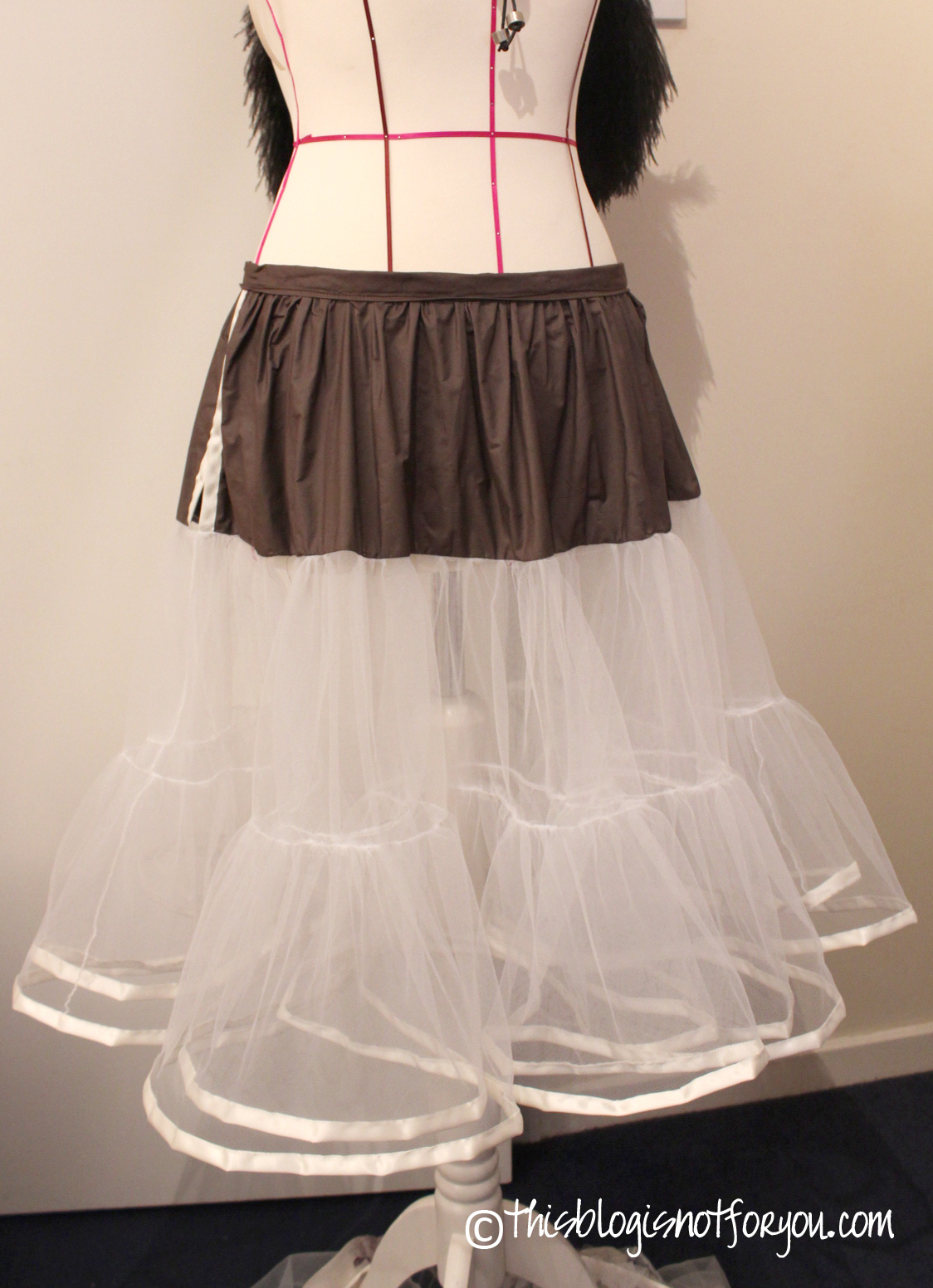
To see the effect of wearing a petticoat underneath a dress or skirt, here’s the same dress with and without a petticoat:Petticoat tutorial by Thisblogisnotforyou.com

Petticoat tutorial by Thisblogisnotforyou.com

Petticoat tutorial by Thisblogisnotforyou.com

Voilá! It’s really simple and so so soo much cheaper than buying one. Have fun sewing your own Petticoat! May patience be with you! haha. (As mentioned before, Sinatra and red wine helps. Please just don’t spill it!)
If you have any questions, leave them  in the comments and I’ll promise to answer them asap.

xx

Charlie


Happy sewing!

facebook/bloglovin/pinterest
twitter/instagram

Stay in touch!

DIY grape-earrings and matching bracelet

I made those a long long time ago, but I wanted to share this anyway.
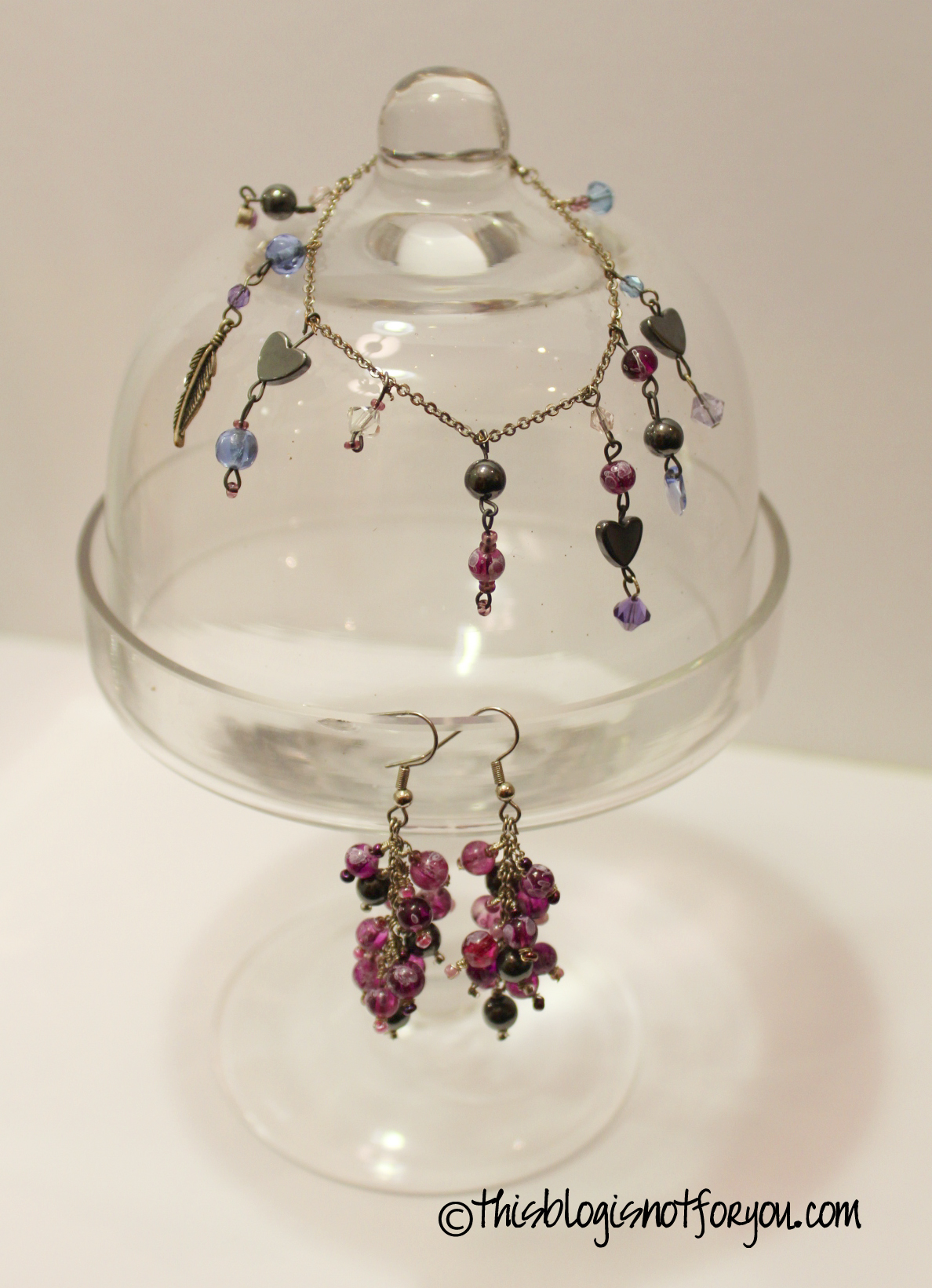
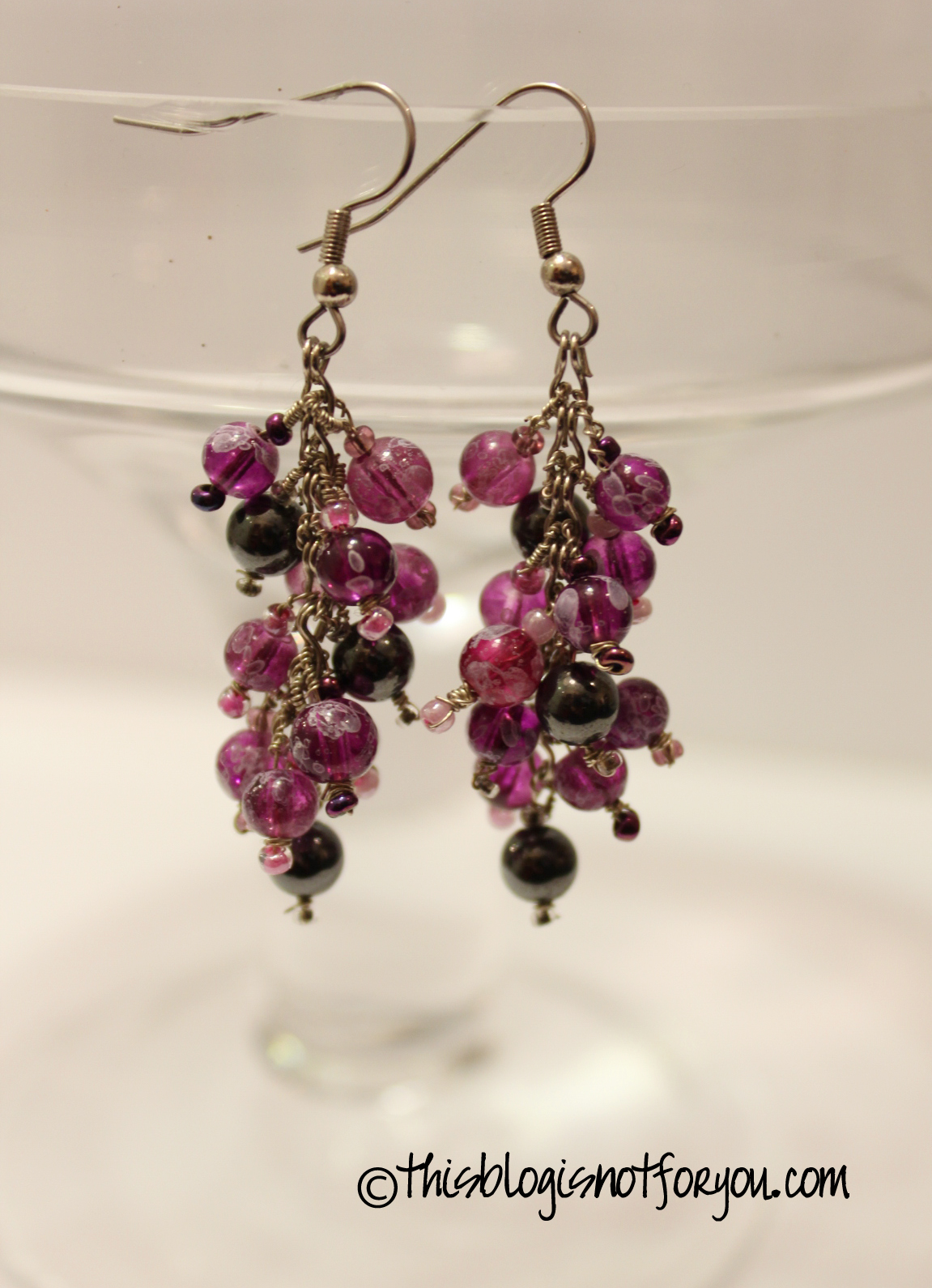
I made two identical bracelets, one for my best friend and one for me. The matching grape earrings I made for myself. All I used were glass and plastic rocaille beads, earring hooks, a silver chain and silver wire in different strengths.

Refashion It! [Upcycling a stained shirt Tutorial]
So I bought a white shirt. And spilled something on it. Of course, that’s what white shirts are for. Luckily the stain was on one of the sleeves, so I thought about cutting them off. I read a lot of blogs about upcycling clothes lately and discovered a whole bunch of knock offs of this jcrew shirt:

My craft alarms set off and I decided to do this myself. Since I wasn’t sure how this would turn out, I tried it on a second, even older and more worn-out shirt before. Just in case. It turned out pretty well and now I have two – goody!

For doing it I found Suzannah’s tutorial most helpful. She blogs at Adventures in Dressmaking – a totally awesome blog you should check out if you’re into sewing and crafting.
Ok, now: Here’s my version of how to do it:

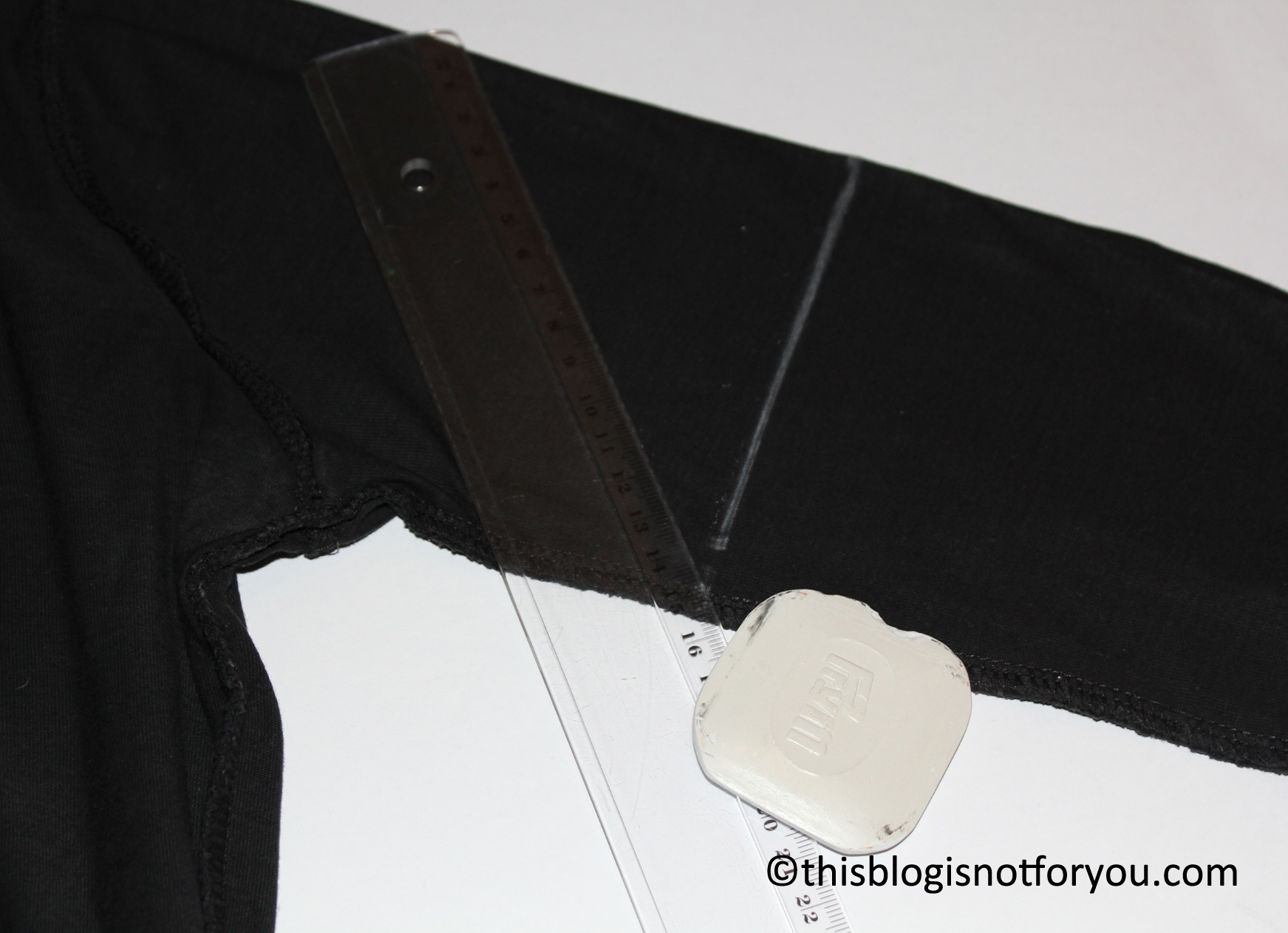
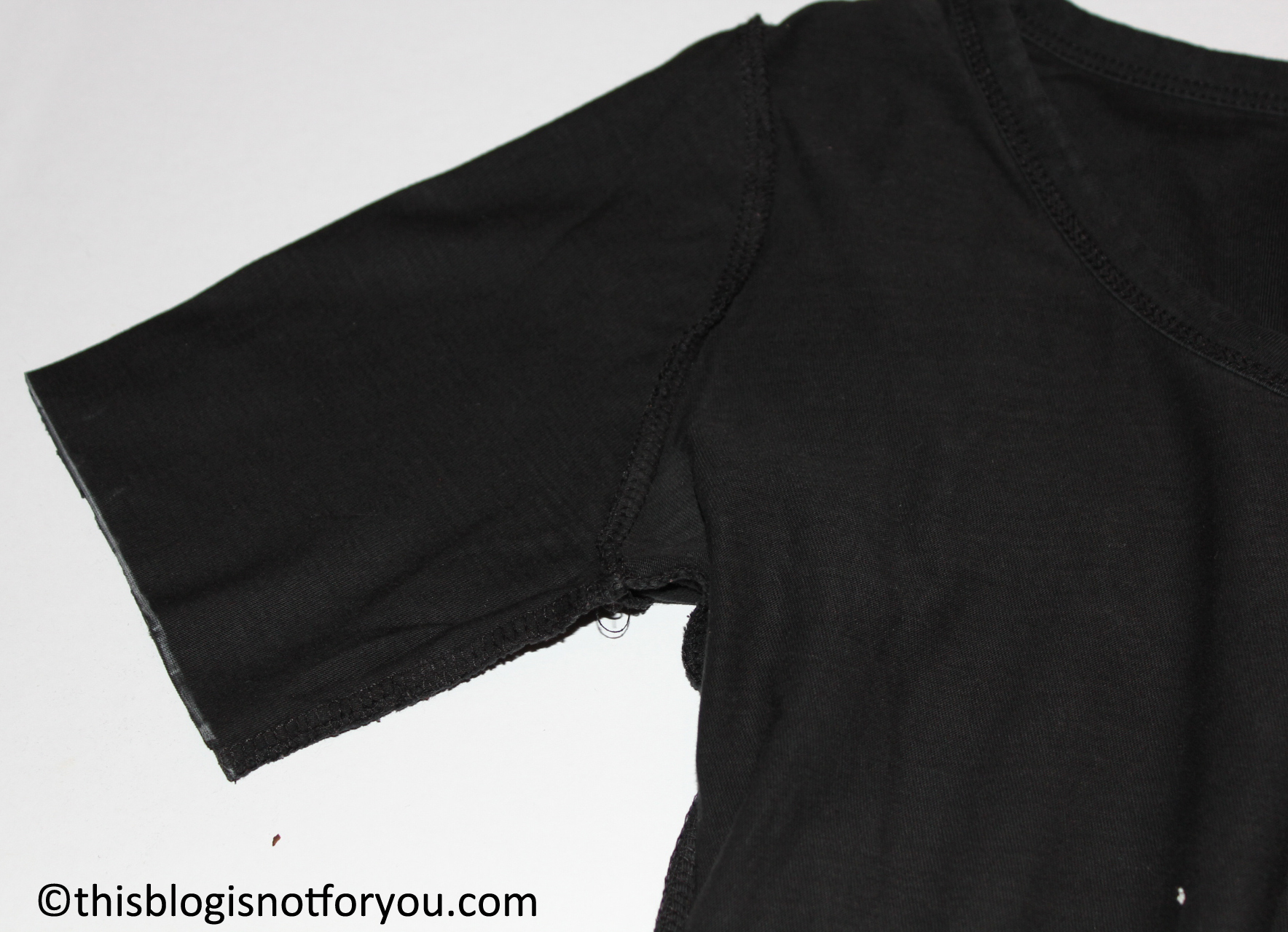
Mark the line where you want to cut off the sleves. To find out what’s the perfect length for you, put on the shirt, measure from the end of the left shoulder to the point where you want your sleeve to end. Add the seam allowance and mark the line at a right angle.

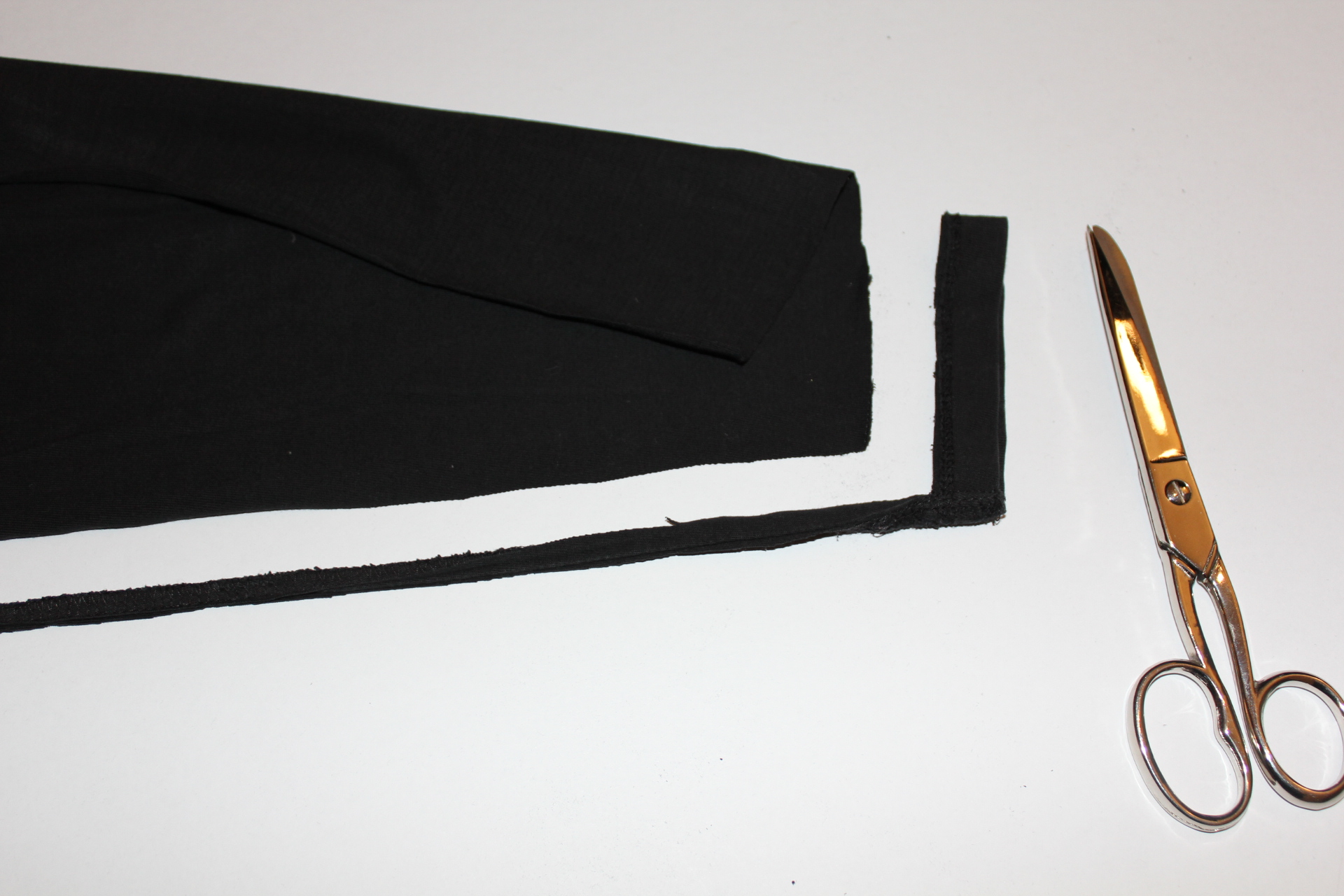
Cut off the serged seam allowance and the hem.

Trim the pieces of fabric to two even rectangles.

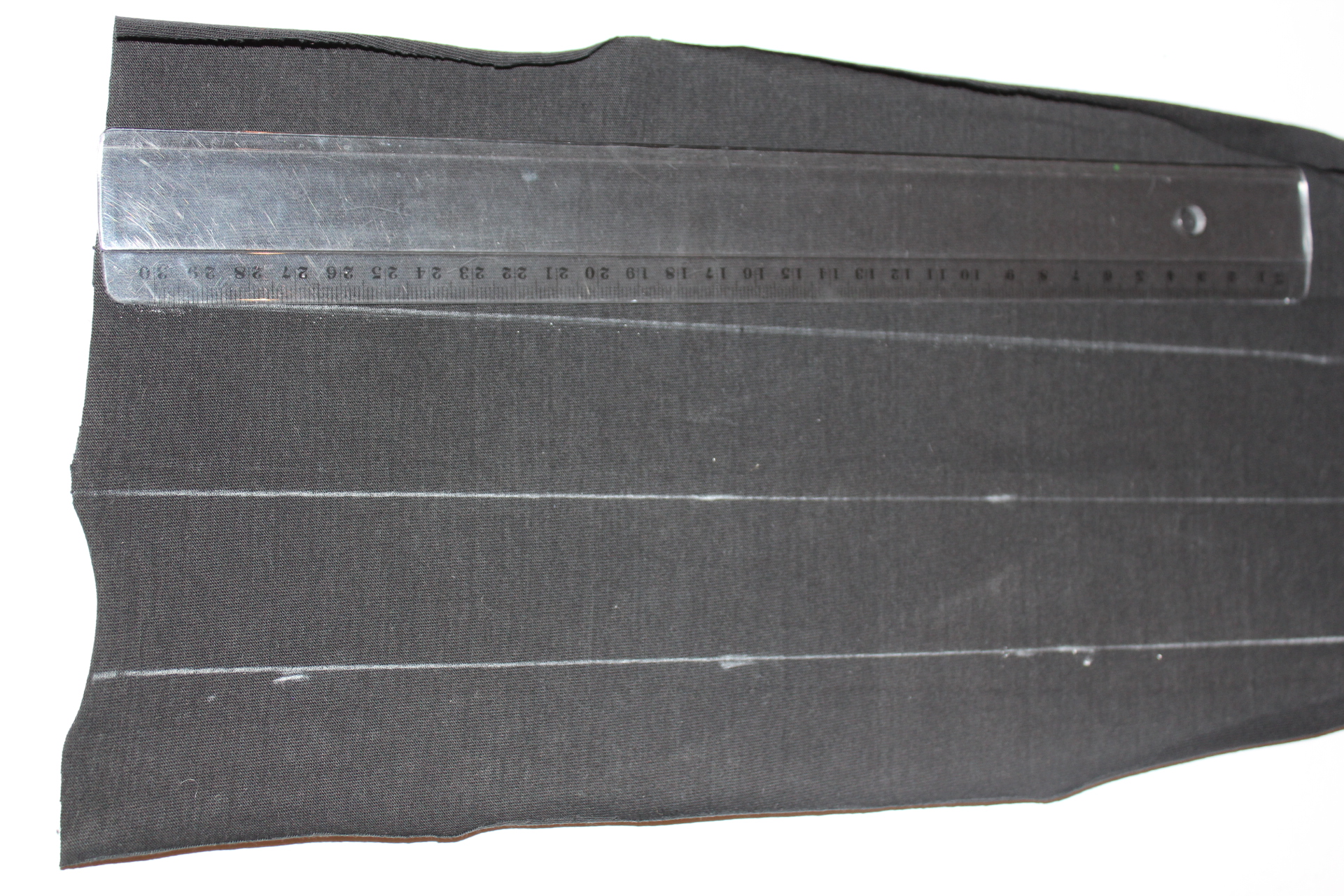
Cut one of the sleeves into evenly sized strips of about 1,5 inch/4cm.
Cut the other one into larger strips (2inch/5-6cm).

Hem the shortened sleeves of your tee.

Sew all 1,5 inch strips together into a longer single strip. Do the same with the 2 inch strips.

Now, for the ruffles:
Sew along one side on both of your strips with straight stitches. Use large stitches and a tight tension, it makes it easier to pull the top thread to gather the fabric.

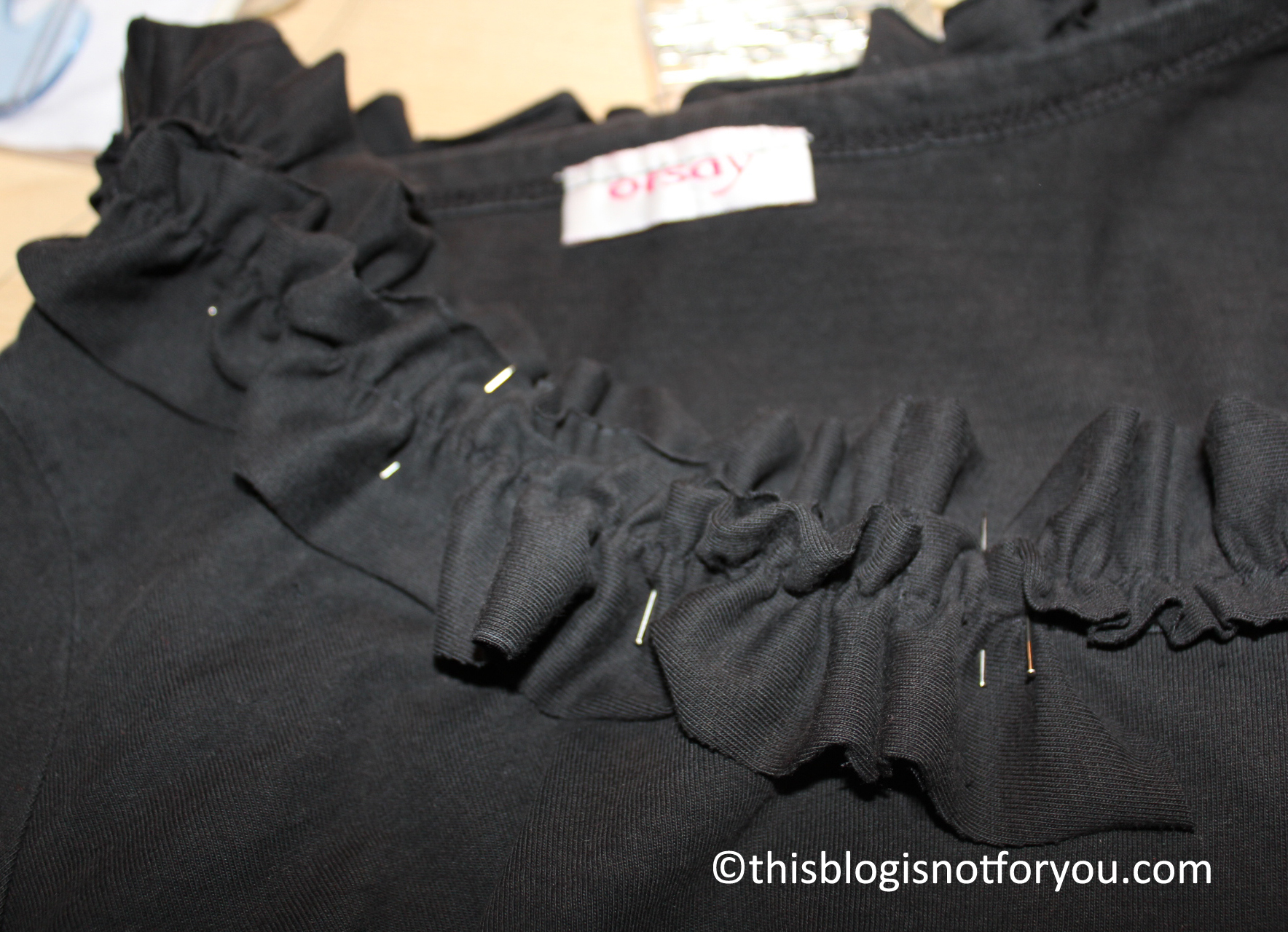
Gather the first strip piece (1,5 inch) until it reaches the circumference of the neckline of your tee and pin it in place (see picture below), pointing up.

Sew along the seam of the ruffles.
Now do the same with the wider strip piece, pin it starting at the shoulder seam, pointing down. Cut it shortly before reaching the middle of the front neckline/ just above the V, if you’re using a V-neck tee. Sew down.

Use the cut-off rest and sew it on the top of the second strip. Start a few inches behind the shoulder seam and cut the strip off a few inches after the second strip. This way you’ll get a smooth transition between the pieces.

Trim the second and third strip into a nice round shape at the end. And you’re done!

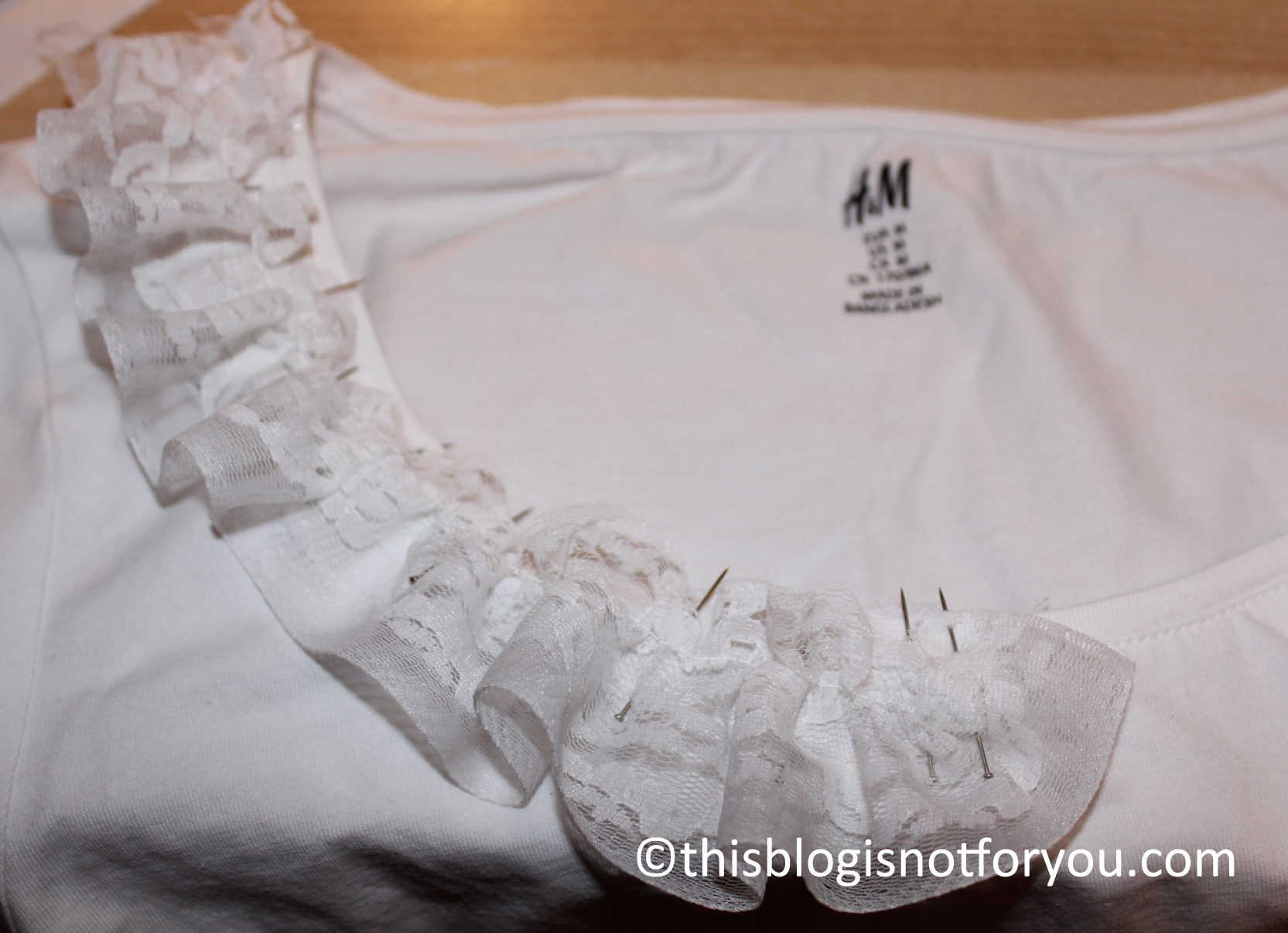
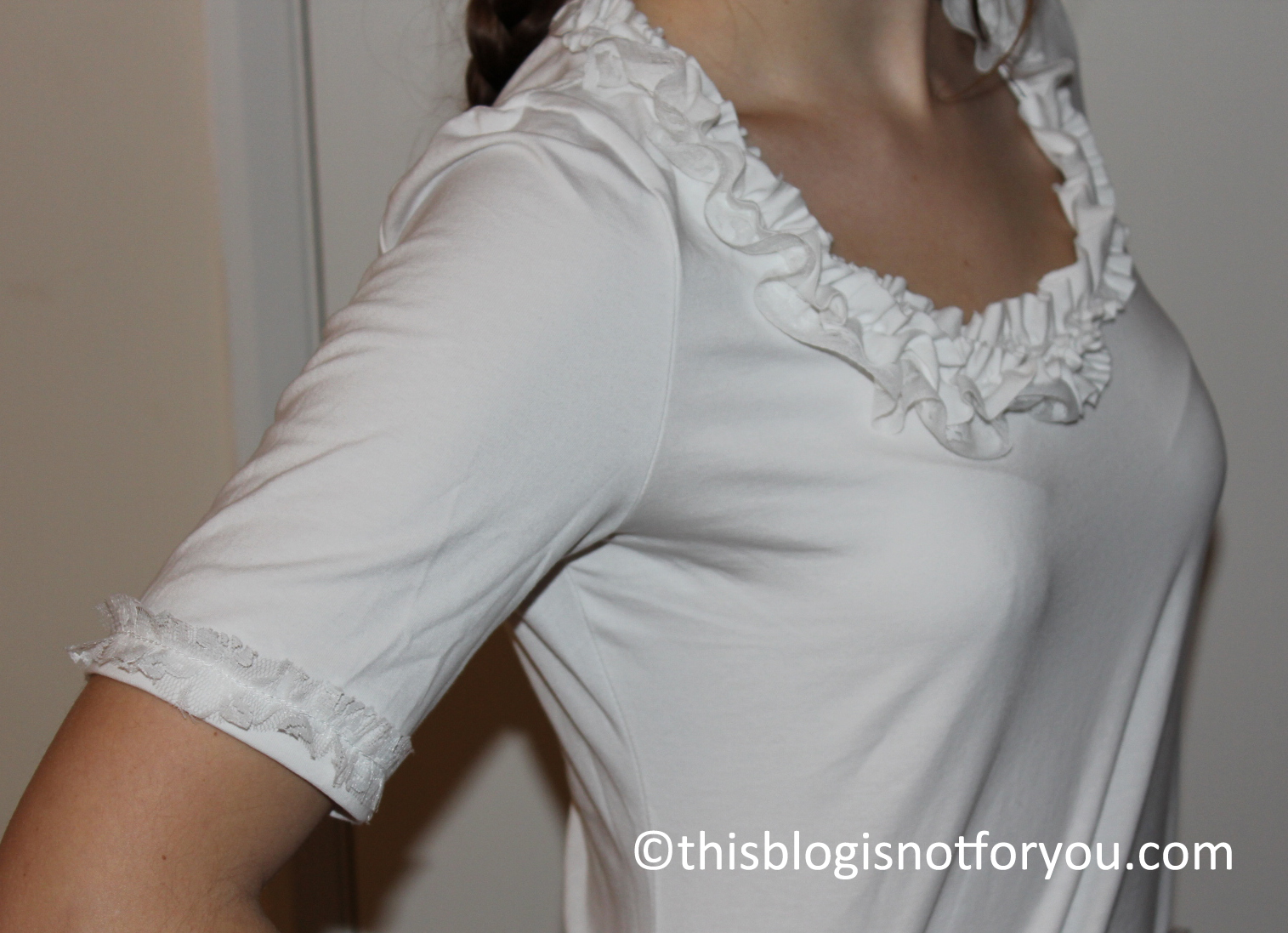
For the white one I added a lace layer instead of the second strip.

Because just trimming the lace at the end makes it look rather ragged, I pinned it in place in a round shape, as you can see in the picture below. This way I wont need trimming.

Before adding the third strip:

I also added some lace to the hem of the sleeves.

Now I’m glad I didn’t throw it away. Two “new” shirts – yay!